Hey everyone, B22 Bulb
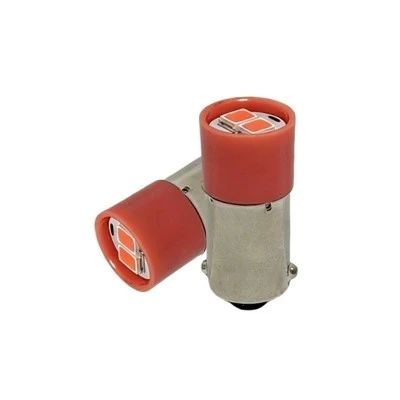
If you’ve ever bought a B22 bulb – you know, that twist-and-lock base you find in most homes across the UK, Australia, and a bunch of other places – chances are you’ve grabbed one that either flickered right out the box, burned out in a week, or never lit up at all. As someone who’s been supplying B22 bulbs for years, I see this stuff all the time from both customers and even some smaller retailers who skip proper testing. Today I’m breaking down exactly how we test our B22 bulbs (and how you can test any B22 bulb at home or work, too) to make sure you’re not wasting your cash on duds. Let’s cut the jargon – no stuffy lab terms here, just real, actionable stuff.
First off, let’s get one thing straight: B22 bulbs aren’t all the same. That 22 in the name refers to the base – it’s 22mm in diameter, two little metal pins on either side, and you twist it a quarter turn to lock it in. What’s plugged into that base can be LED, CFL, incandescent, halogen, whatever. For us, 90% of what we supply is LED B22 bulbs these days – they’re the most popular, longest-lasting, most energy-efficient. So most of what I’m talking about today will apply to LEDs, but I’ll throw in quick notes on older tech too.
The Pre-Shipment Tests We Run (That’s Why Our Bulbs Last)
Before any B22 bulb leaves our warehouse, we run a whole checklist of tests. Let’s start with the basics, because you’d be shocked how many suppliers skip these.
First up: Physical base check. I know, it sounds trivial, but a wonky B22 base is the #1 reason bulbs get loose in fixtures or don’t make a connection at all. We don’t just grab a bulb and shove it in a socket – we test the twist-lock multiple times. How? We take each new B22 bulb, insert it into a standard B22 test socket, twist it just like you would at home, and pull it straight out a few times. If it wiggles or falls out too easily? It’s gone. We also check the metal pins – no bends, no scratches, no rust spots. A bent pin is a super easy fix if you catch it, but if it’s scraped up, it can arc and burn out the driver fast. We even run a metal content check sometimes (okay, fine, a tiny bit of lab stuff) – the pins need to be copper, not cheap steel that’ll corrode in damp bathrooms or outdoors.
Next, the initial power-up test. That’s not just “turn it on and see if it lights.” We plug every bulb into a controlled power supply first, not a regular wall socket. Wall power can jump around a bit, especially in older buildings, so we use a bench power supply set to 230V (most places with B22 use 220-240V, just a heads up) and run it for 5 minutes straight. If it flickers, dims inconsistently, or turns off and on randomly? Trash it. We’ve had bulbs that looked perfect on the outside but had a wonky driver that only worked when the power was steady. For LEDs, we also check the color temperature here – no weird blue or yellow tints, exactly what we say on the packaging (like “warm white 2700K” or “cool white 5000K”). It’s not just picky – people buy B22 bulbs for bedrooms, kitchens, garages, they need the color to be consistent.
Then there’s the load test. For LED B22 bulbs, the driver is the most important part – it’s what keeps the power steady and makes the LEDs last. We run each bulb for 24 hours straight on that same controlled power supply. No breaks, no shutting off. If a bulb dies before the 24 hours are up, or gets too hot to touch after a few hours, it’s out. Hot bulbs are bad – they use more energy, burn out faster, and can even be a fire hazard if they’re in enclosed fixtures (more on that later). We also test for light output here – use a light meter to make sure it’s putting out the lumens we advertise. If a 800lm bulb is only giving 600lm, that’s false advertising and a waste of money for our customers.
Testing a B22 Bulb At Home (No Lab Gear Needed)
Okay, so you don’t have a bench power supply at home. Fair. You can still test any B22 bulb you have, whether it’s from us or another brand, in 5 minutes. Here’s how.
First, the fit test. Find a standard B22 socket – if you’re testing a bulb for a specific fixture, use that same socket, not a random one. Insert the bulb, twist it until it clicks, then gently tug it straight down. If it comes loose or feels wobbly? That’s a problem. A loose bulb can cause arcing – that little spark you might see if the pins aren’t connecting right – which will burn out the bulb fast and even damage your fixture. If it fits tight, great.
Next, the power test. Just because it lights up once doesn’t mean it works. Plug it in and leave it for 10 minutes. Watch for flickering – not the tiny, normal flicker you might get from old wiring, but constant, rhythmic flickers. That’s a bad driver or a loose connection. Also, check the light consistency – does it dim a little every few seconds? If so, skip it. Another trick: turn the bulb on, then off, then on again immediately. If it takes a second to light up, or doesn’t light up at all, that’s a dud. I’ve had people tell me their bulb worked for 2 hours then died – that’s a problem with the driver, which the 10-minute test would catch most of the time.
Then the heat test. After those 10 minutes, turn the bulb off, wait 30 seconds, then touch the glass (or the plastic, if it’s a modern bulb). If it’s too hot to hold comfortably in your palm? That’s not normal. LEDs should stay cool enough to touch – if a bulb is burning hot, it’s using way more energy than it should and will die way before its rated lifespan. For CFL or halogen B22 bulbs, they’ll get a little warm, but not scorching. If it feels like it’s about to burn you, toss it.
Oh, and if you’re testing a bulb for an enclosed fixture – like a ceiling light with a cover over it – don’t forget to test it in an enclosed space, too. Some LEDs can’t handle being trapped under a plastic or glass cover, which traps heat. We test our B22 bulbs for enclosed fixtures specifically, so we mark the packaging, but if you have a bulb not rated for enclosed spaces and it’s going in one, you’ll want to run it for an hour before closing the cover to make sure it doesn’t overheat.
Common B22 Bulb Mistakes to Avoid
Now that you know how to test, let’s talk about the stuff we see all the time that makes bulbs fail. First, mixing bulb types. If you’re used to incandescent B22 bulbs and switch to LED, you might notice a difference, but that’s normal. Another big one: wrong power. If your area uses 110V and you buy a 230V B22 bulb, it’ll either not light or burn out immediately. We label all our bulbs with voltage, so double check that.
Also, don’t buy cheap B22 bulbs from random places – like the gas station or a random online seller with no reviews. Those are the ones that skip the tests I mentioned, and they’ll die in a week. We test every single one, so you can be confident when you buy from us.
Wrapping It Up

At the end of the day, testing B22 bulbs is all about making sure you don’t waste money on duds, and as a supplier, that’s my number one priority. Whether you’re testing bulbs at home to make sure you didn’t get a bad one, or looking for a reliable supplier for bulk orders, we’ve got you covered. If you’re ready to stock up on quality tested B22 bulbs for your home, business, or retail space, reach out to us – we’re happy to chat through your needs, give you a quote, and answer any questions you have about testing, installation, or anything else.
References
- Illuminating Engineering Society (IES) Lighting Measurement Guidelines
- European Committee for Electrotechnical Standardization (CENELEC) Requirements for B22 Lamp Bases
- Department for Business, Energy & Industrial Strategy (BEIS) UK LED Bulb Performance Standards
- US Department of Energy (DOE) Solid-State Lighting Testing Procedures
E27 Bulb If you have any questions, hit us up anytime – we’re here to help. No pressure, just good bulbs and honest advice.
BULBPLAN Co., Ltd.
As one of the most professional b22 bulb manufacturers and suppliers in China, our products have good reputation in the market. Please feel free to wholesale cheap b22 bulb for sale here and get pricelist from our factory. Quality products and reasonable price are available.
Address: No. 86 Zhongli Road, Nancheng Street, Dongguan City, Guangdong Province
E-mail: Alex@bulbplan.com
WebSite: https://www.nicebulbs.com/
