What are the control methods for an electric furnace transformer? If you’re in the market for one, or just trying to wrap your head around how these work (hey, no judgment—they’re not exactly your average power transformer), let’s break this down like we chat with our clients every day. As a supplier, I’ve seen firsthand how the right control method can make or break an electric furnace’s efficiency, lifespan, and even your bottom line. No stuffy jargon here—just real talk about what actually works. Electric Furnace Transformer

First off, let’s set the scene: electric furnace transformers aren’t your typical grid transformers. They’re built for extreme conditions—think high currents, frequent load changes, and tight voltage control because every volt wasted is cash down the drain. The control methods here aren’t one-size-fits-all, either. What works for a steel mill’s arc furnace is totally different from a foundry’s induction furnace, and that’s why we customize so much of what we ship.
Let’s start with the most common one we see all the time: Tap Changer Control. Tap changers are basically the transformer’s “volume knob” for voltage. Electric furnace transformers have multiple taps on the primary (high-voltage) winding to adjust the turns ratio, which tweaks the secondary (low-voltage, high-current) output. Wait, there are two main types here—off-circuit and on-load tap changers (OLTCs). Off-circuit is the old-school, lower-cost option where you shut the transformer down to switch taps. That makes sense if your furnace doesn’t change voltage much, or if downtime isn’t a huge deal for you. But 9 times out of 10, our clients go for OLTCs because electric furnaces’ load swings like crazy—arc furnaces, for example, go from no load to full load in seconds. OLTCs let you adjust voltage on the fly without turning the power off. We’ve supplied OLTC-equipped transformers to steel mills where that flexibility cut their energy waste by almost 12%—that’s not just a number, that’s their monthly electricity bill shrinking.
Then there’s something a lot of folks ask about: Reactance Control. Electric furnace transformers often have a built-in reactor (or we can add an external one) to limit the short-circuit current when the arc strikes. Without that, the arc would spike way too high, causing mechanical stress on the furnace and wasting energy. Reactance control lets you adjust that reactor’s value, which in turn controls the current and power factor. For induction furnaces, this is super key because they run on a tight power factor—if it drops too low, you’re paying for reactive power you don’t use. We recently retrofitted an old furnace for a client where adding adjustable reactance fixed their power factor from 0.72 to 0.94, and they saved over $15,000 a month in utility penalties. Worth mentioning: reactance control pairs really well with OLTCs, too—they work together like peanut butter and jelly for these transformers.
Next up, Automated Digital Control Systems. Back in the day, tap changers were adjusted manually, and operators had to watch voltage and current like hawks. Now? We build transformers with integrated microprocessor-based controllers that do all that work automatically. These systems feed real-time data from sensors (current, voltage, temperature, even furnace load) and adjust taps or reactance in milliseconds. I had a client with a 50-ton arc furnace who was having issues with inconsistent melt times—after we installed a digital control system, their melt time dropped by 8 minutes per batch, and they ran 15 more batches a week. That’s a massive productivity jump. The best part? These systems can integrate with your factory’s SCADA network, so you can monitor the transformer from your office floor—no need to have someone camp out by the furnace 24/7. Some smaller foundries might shy away from them because of cost, but we have budget-friendly mini digital controllers for smaller transformers that still do the job right.
Wait, what about Closed-Loop vs. Open-Loop Control? Let’s clarify that because it’s a point of confusion for a lot of new clients. Open-loop is basic: it sets a tap or reactance value based on pre-programmed settings, no feedback. Good for very stable loads, but useless for furnaces that swing. Closed-loop uses real-time feedback from the furnace to adjust control parameters automatically. That’s where the big gains are—closed-loop control can adjust voltage in less than a second when the arc flickers, preventing damage and saving energy. I once had a client who tried open-loop for their small aluminum foundry, and their transformer kept tripping during startup. Switched to closed-loop, and the tripping stopped cold. Game changer.
Then there’s something more specialized: Phase Angle Control, mostly used for DC electric furnaces. DC furnaces need precise control of current and voltage in both directions, and phase angle control adjusts the timing of the thyristors to regulate the output. It’s not as common as tap changers, but for clients running DC furnaces for high-purity metals, it’s non-negotiable. We’ve worked with several aerospace component manufacturers who need super consistent DC power—their transformers use phase angle control to keep current within 0.5% of the setpoint, which is critical for their metal quality.
Now, let’s talk about what we tell clients when they’re choosing—because as a supplier, we don’t just sell transformers, we help pick the right control method. First, ask: what type of furnace is it? Arc, induction, DC? Arc furnaces have wilder load swings, so OLTC and closed-loop digital control are a must. Induction furnaces need tight power factor, so reactance control is key. DC furnaces need phase angle control. Second, what’s your downtime tolerance? If you can shut down the furnace for an hour to switch taps, off-circuit is fine, but almost no one can do that now. Third, what’s your budget? OLTCs and digital controls cost more upfront, but the energy savings usually pay for themselves in 6-18 months. We even offer custom packages—last quarter, we built a transformer with a hybrid OLTC + reactance control system for a client that had both arc and induction furnaces in the same bay. It worked better than they expected, and they told us it was the best investment they made that year.
Wait, can we skip some of the old myths? A lot of folks think more control = better. But that’s not true. If you have a tiny 1-ton induction furnace for a hobby foundry, a simple tap changer with basic open-loop control is all you need—overcomplicating it just raises costs. We see that a lot with new foundry owners who think they need the latest tech, but it’s wasted on small loads. We always do a site assessment first (even if it’s just a virtual call) to figure out exactly what they need, not what the marketing says.
Another point: maintenance. All these control methods need upkeep, but some are easier than others. OLTCs, for example, need regular oil checks and tap contact cleaning. Digital controllers need firmware updates, but they’re way more reliable than old manual systems. We include a 2-year maintenance package with every transformer we sell, and our techs are on call 24/7 if something goes wrong. Last year, a client in Ohio had a tap changer issue overnight, and our team had a technician there in 3 hours—we don’t just ship a unit and disappear.
Let’s circle back to why this matters for you, the buyer. The right control method doesn’t just make the transformer work—it affects your energy bills, your furnace’s lifespan, your production time. A bad control setup can lead to 15-20% more energy use, frequent transformer failures, and missed production deadlines. We’ve seen transformers fail because the wrong control was installed, and it’s never pretty—costs thousands in repairs and downtime. That’s why we take the time to get to know your operation before we suggest anything.
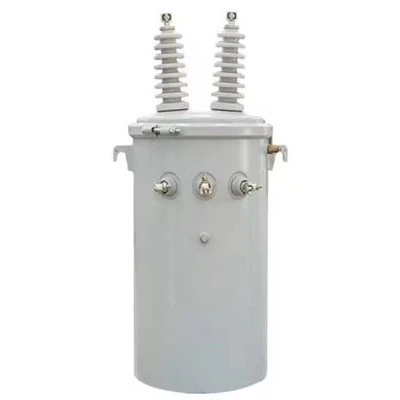
If you’re currently dealing with a furnace transformer that’s acting up—tripping, inconsistent power, high energy bills—or you’re buying a new furnace and need the right transformer control, let’s chat. We’ve worked with everything from small hobby foundries to major steel mills, and we can help you pick a control method that fits your exact needs, no fluff, no overpaying. Just shoot us a message to start the conversation—we’re here to make sure your electric furnace runs as smoothly and efficiently as possible.
Special Transformer References
- IEEE Standard for Transformers, Power, Distribution, and Regulator Transformers—Guide for Loading, IEEE C57.12.90-2015
- Electric Furnace Transformers: Design, Application, and Maintenance, Electric Furnace Association (EFA) Technical Bulletin 2021
- Control Systems for Industrial Furnaces, International Association for Steel Technology (IAST) Report 2022
- Tap Changer Technology for High-Current Transformers, Transformers Magazine, Volume 18, Issue 3, 2020
Zhejiang Jiangshan Hengli Electrical Co., Ltd.
Zhejiang Jiangshan Hengli Electrical Co., Ltd. is one of the most professional electric furnace transformer manufacturers and suppliers in China, featured by quality products and low price. Please rest assured to wholesale cheap electric furnace transformer in stock here and get pricelist from our factory. Customized orders are welcome.
Address: 212 Fuzhu Street Sidu Town, Jiangshan, Zhejiang, China
E-mail: henglijs@foxmail.com
WebSite: https://www.henlypower.com/
