In the dynamic world of craft brewing, the equipment technology landscape is constantly evolving. As a dedicated craft brewing equipment supplier, I’ve had the privilege of witnessing firsthand how these technological advancements are reshaping the industry. In this blog, I’ll explore some of the new trends in craft brewing equipment technology that are not only enhancing the brewing process but also elevating the quality and variety of craft beers. Craft Brewing Equipment
Automation and Control Systems
One of the most significant trends in craft brewing equipment technology is the increasing adoption of automation and advanced control systems. In the past, many aspects of the brewing process were manual, relying on the brewer’s experience and intuition. While this hands – on approach has its charm, it also introduced a degree of variability in the final product.
Modern automation systems allow brewers to precisely control every parameter of the brewing process, from mashing temperatures and times to fermentation rates. For example, programmable logic controllers (PLCs) can be used to manage multiple brewing vessels simultaneously. These controllers can be programmed to follow specific recipes, ensuring that each batch of beer is brewed to the exact specifications. This level of precision not only improves the consistency of the product but also allows brewers to reproduce their signature recipes with ease.
In addition to precise control, automation also offers real – time monitoring capabilities. Sensors placed throughout the brewing system can collect data on variables such as temperature, pressure, and pH. This data is then transmitted to a central control panel, where the brewer can view and analyze it. In case of any deviations from the set parameters, the system can trigger alarms, allowing the brewer to take corrective action immediately.
Automation also streamlines the brewing process, reducing the time and labor required. For instance, automated systems can handle tasks such as filling and packaging, which were previously done manually. This not only increases productivity but also allows brewers to focus on the creative aspects of brewing, such as recipe development and quality control.
Energy – Efficient Design
With the growing concern for environmental sustainability and rising energy costs, energy – efficient design has become a key trend in craft brewing equipment technology. Brewers are increasingly looking for equipment that can reduce energy consumption without sacrificing performance.
One of the ways this is being achieved is through the use of better insulation materials in brewing vessels. Insulated mash tuns, brew kettles, and fermenters can help maintain the desired temperatures with less energy input. For example, some modern brewing vessels use multi – layer insulation that can significantly reduce heat loss, allowing the brewer to use less energy to heat or cool the contents.
Another approach is the use of energy – recovery systems. During the brewing process, a significant amount of heat is generated, especially during boiling. Energy – recovery systems can capture this waste heat and reuse it for other purposes, such as pre – heating the mash or cleaning the equipment. This not only reduces energy consumption but also lowers operating costs.
In addition, the development of more efficient heating and cooling technologies has also contributed to energy savings. High – efficiency steam generators and refrigeration units are now available that can provide the necessary heat or cold with less energy. For example, some new refrigeration systems use advanced compressor technology that can operate more efficiently, reducing both energy consumption and greenhouse gas emissions.
Advanced Filtration and Clarification
The appearance and clarity of a beer are important factors in its appeal to consumers. Advanced filtration and clarification technologies are becoming increasingly popular in the craft brewing industry.
Traditional filtration methods, such as diatomaceous earth filtration, have been used for many years. However, these methods have some limitations, such as the potential for introducing off – flavors and the need for frequent replacement of the filter media. Newer filtration technologies, such as cross – flow filtration, offer several advantages. Cross – flow filtration uses a continuous flow of liquid across a membrane, which helps to remove solids and microorganisms without significant loss of flavor or aroma compounds. This method also has a longer lifespan and requires less maintenance compared to traditional filtration methods.
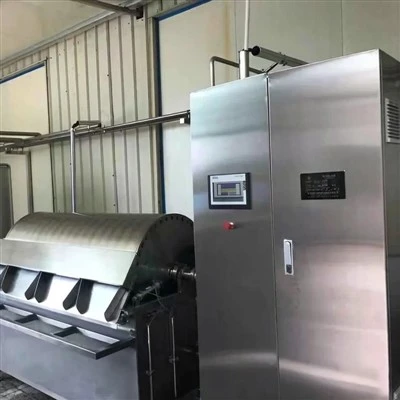
Clarification is another area where advancements have been made. Centrifuges are now being used more frequently in craft breweries to separate solids from the beer. Centrifugation can be a faster and more efficient way to clarify beer compared to traditional settling methods. Additionally, some breweries are using membrane filtration for final clarification, which can produce a beer with a brilliant clarity.
Hygiene and Sanitization
Maintaining high levels of hygiene and sanitization is crucial in the brewing industry to prevent contamination and ensure the quality of the beer. New trends in craft brewing equipment technology are focused on making it easier for brewers to achieve and maintain these high standards.
One of the developments is the design of brewing equipment with fewer crevices and hard – to – clean areas. Smooth, welded surfaces and rounded corners make it easier to clean and sanitize the equipment. Some equipment also features self – cleaning mechanisms, such as automated clean – in – place (CIP) systems. These systems use a combination of chemicals, water, and heat to clean the inside of the brewing vessels and piping without the need for disassembly.
In addition, the use of more durable and resistant materials is also a trend. Stainless steel is a popular choice for brewing equipment due to its corrosion resistance and ease of cleaning. However, new coatings and materials are being developed that can provide even better protection against bacteria and other contaminants. For example, some coatings can create a smooth, non – sticky surface that prevents the adhesion of microorganisms, making it easier to keep the equipment clean.
Customization and Modularity
Craft brewers have unique needs and preferences, and they are increasingly looking for equipment that can be customized to meet their specific requirements. As a craft brewing equipment supplier, we have seen a growing demand for customizable and modular brewing systems.
Customization allows brewers to design equipment that fits their brewing style, production capacity, and facility layout. For example, a brewery might want a brew kettle with a specific shape or size to achieve a particular brewing technique. Or they might need a fermentation system with adjustable temperature controls to experiment with different yeast strains.
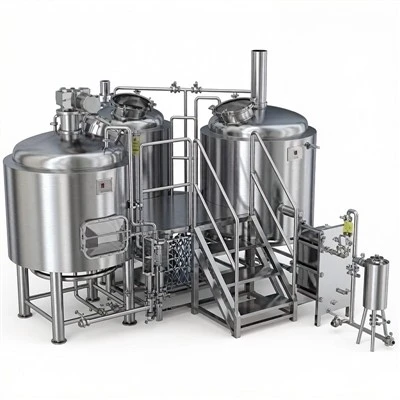
Modular brewing systems offer flexibility and scalability. These systems are designed in a way that different components can be easily added or replaced. This means that as a brewery grows, it can expand its production capacity by adding more vessels or upgrading existing equipment. For example, a small – scale craft brewery might start with a basic three – vessel brewing system and then add additional fermenters or a larger brew kettle as its business expands.
Conclusion
The new trends in craft brewing equipment technology are opening up exciting possibilities for brewers. Automation and control systems are improving consistency and efficiency, energy – efficient design is reducing costs and environmental impact, advanced filtration and clarification are enhancing the quality of the final product, hygiene and sanitization technologies are ensuring safety, and customization and modularity are meeting the unique needs of craft brewers.
As a craft brewing equipment supplier, I am committed to staying at the forefront of these technological advancements. We strive to provide our customers with the latest and most innovative equipment that can help them succeed in the competitive craft brewing industry.
Scale Beer Equipment If you are a craft brewer or are considering entering the craft brewing business, I invite you to explore how our state – of – the – art equipment can meet your needs. Contact us to start a discussion about your brewing goals and how we can provide you with the ideal equipment solutions. Let’s work together to create exceptional craft beers that will delight your customers.
References
- Bamforth, C. W. (2017). Beer production and quality control. Springer.
- Stewart, G. G., & Russell, I. (2017). Handbook of brewing. CRC Press.
- Amerine, M. A., Berg, H. W., & Cruess, W. V. (2016). Technology of wine making. Waveland Press.
Wenzhou Jinggong Machinery Equipment Co., Ltd.
We are one of the most professional craft brewing equipment manufacturers and suppliers in China. With abundant experience, we warmly welcome you to buy customized craft brewing equipment at competitive price from our factory. If you have any enquiry about quotation, please feel free to email us.
Address: No.Jiadi Industrial Zone, Yaoxi Town, Longwan District, Wenzhou City, China.
E-mail: jinggong2026@163.com
WebSite: https://www.jg-ind.com/
