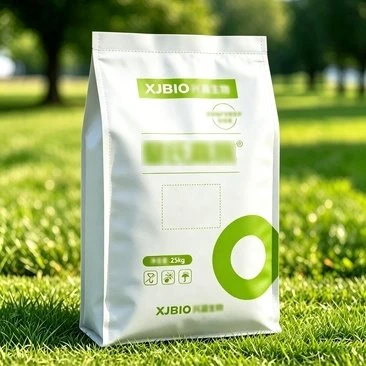
When it comes to livestock feed composite bags, one crucial aspect that often gets overlooked is their slip resistance when stacked. As a supplier in the industry, I understand the significance of this factor in ensuring the safety and efficiency of storage and transportation. In this blog post, I will delve into the science behind the slip resistance of livestock feed composite bags, share real – world experiences, and provide insights into how it impacts the overall supply chain. Livestock Feed Composite Bags
The Science of Slip Resistance
Slip resistance is determined by the coefficient of friction between two surfaces. In the context of livestock feed composite bags, this refers to the friction between the bags when they are stacked on top of each other. The coefficient of friction is influenced by several factors, including the material of the bag, the surface finish, and the environmental conditions.
Most livestock feed composite bags are made from a combination of materials such as paper, plastic, and sometimes a layer of aluminum foil. The outer layer of the bag, which comes into contact with other bags during stacking, plays a major role in determining slip resistance. For example, paper – based outer layers may provide a certain level of natural friction due to their rough texture. However, if the paper is coated with a smooth plastic layer for moisture – resistance, the slip resistance can be significantly altered.
Plastic materials, on the other hand, can have a wide range of surface properties. Some plastics are inherently slippery, while others can be engineered to have a higher coefficient of friction. Additives can be incorporated into the plastic formulation during the manufacturing process to increase its roughness and thus improve slip resistance.
Environmental conditions also play a key role. High humidity can make the surfaces of the bags more slippery, especially if the materials are prone to absorbing moisture. Temperature changes can also affect the flexibility and surface properties of the bag materials. For instance, in cold temperatures, some plastics may become more brittle and change their friction characteristics.
Importance of Slip Resistance in Stacking
Proper slip resistance is of utmost importance in the stacking of livestock feed composite bags. From a safety perspective, bags with poor slip resistance are more likely to shift and collapse during stacking. This can lead to accidents in warehouses and during transportation, endangering the lives of workers and potentially causing significant damage to the feed products.
In terms of storage efficiency, good slip resistance allows for higher and more stable stacks. This means that more bags can be stored in a limited space, optimizing warehouse utilization. For example, in a large – scale livestock feed distribution center, being able to stack bags safely up to a greater height can save a significant amount of floor space, which can be used for other operations.
During transportation, stable stacks are essential to prevent the movement of bags inside trucks or containers. If the bags slip and move around, they can be damaged, and the load may become unbalanced, increasing the risk of accidents on the road.
Real – World Experiences
Over the years, as a supplier of livestock feed composite bags, I have encountered various situations related to slip resistance. In one instance, a client reported that the bags they were using were slipping when stacked in their warehouse. After investigation, we found that the humidity in the warehouse was relatively high, and the outer layer of the bags was a smooth plastic that was not well – adapted to such conditions.
To solve this problem, we recommended a bag with a slightly rougher plastic outer layer and provided suggestions on improving the ventilation in the warehouse to reduce humidity. After the changes were implemented, the client reported a significant improvement in the stability of the stacks, reducing the number of accidents and damages.
On the other hand, we have also had clients who were initially concerned about the slip resistance of our bags but were pleasantly surprised by the performance. One large – scale feed producer was hesitant to switch to our composite bags due to concerns about stacking stability. However, after conducting their own tests, they found that the bags provided excellent slip resistance even in high – volume stacking scenarios. This led to an increased order volume and a long – term partnership.
Factors Affecting Slip Resistance in Livestock Feed Composite Bags
Apart from the material and environmental factors mentioned earlier, the design of the bag also affects slip resistance. Bags with a flat and smooth bottom are more likely to slip compared to those with a textured or ribbed bottom. Our company has developed a range of bags with innovative bottom designs that enhance the contact area and friction between the bags.
The filling process of the bags can also have an impact. If the bags are over – filled or not filled evenly, they may not stack properly, and the slip resistance can be compromised. We work closely with our clients to provide guidelines on the correct filling process to ensure optimal stack stability.
Another aspect is the weight of the feed inside the bags. Heavier bags generally have more friction between them, but this also means that any instability can lead to more severe consequences. We consider the typical weight of the feed when designing our bags to ensure that the slip resistance is appropriate for the load.
Testing Slip Resistance
To ensure the quality of our livestock feed composite bags, we conduct rigorous slip resistance testing. One common method is the inclined plane test, where a bag is placed on an inclined surface and the angle at which it starts to slide is measured. This provides a quantitative measure of the coefficient of friction.
We also perform real – life simulation tests in our laboratory, stacking the bags in different configurations and subjecting them to various environmental conditions such as humidity and temperature changes. This helps us to identify any potential issues and make necessary adjustments to the bag design or material.
In addition to our in – house testing, we also encourage our clients to conduct their own tests. By sharing the testing results and collaborating on improvements, we can ensure that the bags meet the specific requirements of each client.
Meeting Client Requirements
As a supplier, our goal is to provide livestock feed composite bags that meet the diverse needs of our clients. Some clients may require bags with extremely high slip resistance due to the nature of their storage and transportation facilities. For example, a client who uses automated stacking systems in a high – humidity environment may need bags with a very high coefficient of friction.
On the other hand, some clients may have more lenient requirements. For small – scale farms with simple storage methods, the slip resistance requirements may not be as strict. We work closely with each client to understand their unique needs and provide customized solutions.
We also offer a range of bag options with different levels of slip resistance. By providing a variety, we can give clients the flexibility to choose the most suitable bag for their specific situation. Our technical team is always available to provide advice and guidance on bag selection and usage.
Conclusion and Call to Action
In conclusion, the slip resistance of livestock feed composite bags is a critical factor that affects the safety, efficiency, and cost – effectiveness of the livestock feed supply chain. As a supplier, we are committed to providing high – quality bags with excellent slip resistance through continuous research, testing, and innovation.
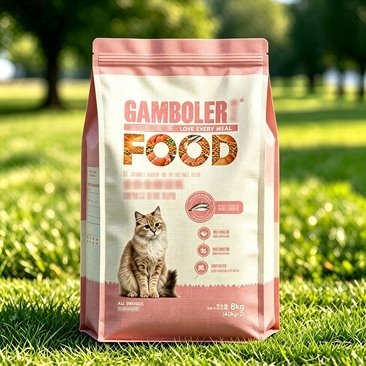
Pet Food Woven Bags If you are in the livestock feed industry and are looking for reliable composite bags with good slip resistance, we would love to discuss your requirements. Our team of experts can provide detailed information about our products and help you find the best solution for your business. Contact us to start a procurement discussion and take the first step towards improving your livestock feed packaging and storage solutions.
References
- ASTM D1894 – 14, Standard Test Method for Static and Kinetic Coefficients of Friction of Plastic Film and Sheeting.
- Packaging Technology – A Guide to Design, Development, and Optimization, by Roylance, David.
Zhejiang Xifeng Packaging Co., Ltd.
We are one of the most experienced livestock feed composite bags manufacturers and suppliers in China. With a professional production team, we offer a wide range of products with superior quality. Please feel free to buy bulk livestock feed composite bags at competitive price from our factory. We also accept customized orders.
Address: Xiaojiang Town, Pingyang County, Wenzhou City, Zhejiang Province, China
E-mail: zjxifeng@126.com
WebSite: https://www.xifengpackaging.com/
