Hey there! I’m a supplier of custom stamped parts, and I know firsthand how important production efficiency is in our industry. Whether you’re a small business looking to streamline your operations or a large corporation aiming to boost your bottom line, improving the production efficiency of custom stamped parts can make a huge difference. In this blog post, I’ll share some tips and strategies that have worked for me over the years, and I’ll also explain why each one is important. Let’s dive in! Custom Stamped Parts
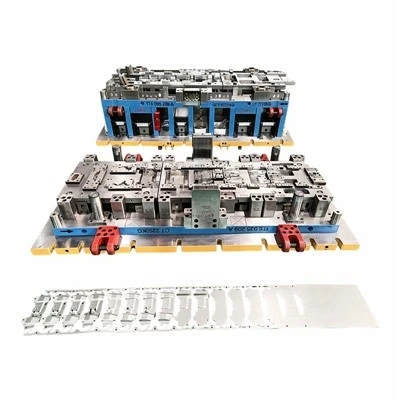
1. Optimize Your Design Process
The first step in improving production efficiency is to optimize your design process. This means working closely with your customers to understand their needs and requirements, and then using that information to create a design that is both functional and easy to manufacture. Here are some tips to help you optimize your design process:
- Use CAD Software: Computer-aided design (CAD) software can help you create detailed 3D models of your custom stamped parts, which can be used to test the design before it goes into production. This can help you identify and fix any potential issues early on, which can save you time and money in the long run.
- Simplify Your Design: The simpler your design, the easier it will be to manufacture. Try to avoid using unnecessary features or complex geometries, and focus on creating a design that is both functional and easy to produce.
- Consider Material Selection: The material you choose for your custom stamped parts can have a big impact on production efficiency. Some materials are easier to work with than others, and some may require special equipment or processes. Make sure you choose a material that is both suitable for your application and easy to manufacture.
2. Invest in the Right Equipment
Investing in the right equipment is essential for improving production efficiency. This means using high-quality stamping machines, dies, and other tools that are designed to handle the specific requirements of your custom stamped parts. Here are some tips to help you choose the right equipment:
- Choose a Reputable Manufacturer: When choosing stamping machines and other equipment, it’s important to choose a reputable manufacturer that has a proven track record of producing high-quality products. Look for a manufacturer that offers a warranty and good customer support.
- Consider Your Production Volume: The amount of custom stamped parts you produce on a regular basis will determine the type of equipment you need. If you have a high production volume, you may need to invest in a more advanced stamping machine that can handle large quantities of parts quickly and efficiently.
- Keep Your Equipment Maintained: Regular maintenance is essential for keeping your equipment in good working condition. Make sure you have a maintenance schedule in place, and follow it religiously. This can help prevent breakdowns and downtime, which can have a big impact on production efficiency.
3. Streamline Your Production Process
Streamlining your production process is another important step in improving production efficiency. This means eliminating any unnecessary steps or processes, and focusing on the tasks that are most important for producing high-quality custom stamped parts. Here are some tips to help you streamline your production process:
- Use Lean Manufacturing Principles: Lean manufacturing is a methodology that focuses on eliminating waste and improving efficiency. By using lean manufacturing principles, you can identify and eliminate any non-value-added steps or processes in your production process, which can help you save time and money.
- Implement a Just-in-Time (JIT) Inventory System: A JIT inventory system is a system that allows you to order and receive materials and supplies just in time for them to be used in production. This can help you reduce inventory costs and improve production efficiency by eliminating the need for excess inventory.
- Automate Your Production Process: Automating your production process can help you improve efficiency and reduce labor costs. By using robots and other automated equipment, you can perform repetitive tasks quickly and accurately, which can help you increase production volume and improve quality.
4. Train Your Employees
Training your employees is essential for improving production efficiency. This means providing them with the knowledge and skills they need to operate your equipment safely and efficiently, and to perform their jobs effectively. Here are some tips to help you train your employees:
- Provide On-the-Job Training: On-the-job training is one of the most effective ways to train your employees. By providing them with hands-on experience using your equipment and performing their jobs, you can help them learn quickly and effectively.
- Offer Regular Training Sessions: In addition to on-the-job training, it’s also a good idea to offer regular training sessions to your employees. These sessions can cover topics such as new equipment, processes, and safety procedures, and can help your employees stay up-to-date with the latest industry trends and best practices.
- Encourage Employee Feedback: Encouraging employee feedback is an important part of training your employees. By listening to their suggestions and feedback, you can identify areas for improvement in your production process, and take steps to address them.
5. Monitor and Analyze Your Production Data
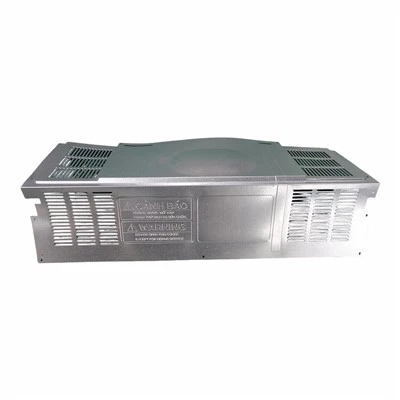
Monitoring and analyzing your production data is essential for improving production efficiency. This means collecting data on key performance indicators (KPIs) such as production volume, quality, and downtime, and using that data to identify areas for improvement. Here are some tips to help you monitor and analyze your production data:
- Use a Manufacturing Execution System (MES): A MES is a software system that allows you to monitor and control your production process in real-time. By using a MES, you can collect data on KPIs such as production volume, quality, and downtime, and use that data to optimize your production process.
- Analyze Your Data Regularly: Analyzing your production data regularly is essential for identifying trends and patterns. By looking at your data over time, you can identify areas for improvement in your production process, and take steps to address them.
- Implement Continuous Improvement initiatives: Continuous improvement is a process of constantly looking for ways to improve your production process. By implementing continuous improvement initiatives, you can encourage your employees to identify and implement changes that can help you improve efficiency and quality.
Conclusion
Transfer Dies & Tandem Dies Improving the production efficiency of custom stamped parts is essential for businesses that want to stay competitive in today’s market. By optimizing your design process, investing in the right equipment, streamlining your production process, training your employees, and monitoring and analyzing your production data, you can improve efficiency, reduce costs, and increase quality. If you’re interested in learning more about how we can help you improve the production efficiency of your custom stamped parts, please don’t hesitate to contact us. We’d love to talk to you about your specific needs and requirements, and to see how we can help you achieve your goals.
References
- Lean Manufacturing for Dummies. Jeff Cox. Wiley Publishing.
- Manufacturing Engineering and Technology. Serope Kalpakjian, Steven Schmid. Pearson.
- Production and Operations Management. William J. Stevenson. McGraw – Hill.
Dongguan Changdong Tool & Die Co., Ltd.
With abundant experience, we are one of the most reliable custom stamped parts manufacturers and suppliers in China. Please feel free to buy advanced custom stamped parts made in China here from our factory. Good service and quality products are available.
Address: No. 56-B, Fumin South Road, Dalang Town, Dongguan City, Guangdong Province, China
E-mail: sales@stamping-die.com
WebSite: https://www.metalstampingdie.com/
