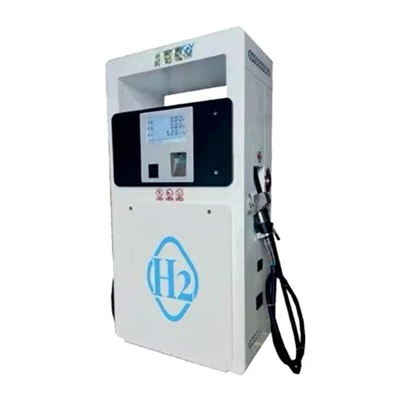
As a supplier of CNG refueling station equipment, I’ve witnessed firsthand the critical importance of handling CNG leakage emergencies effectively. Compressed Natural Gas (CNG) is an increasingly popular alternative fuel due to its environmental benefits and cost – effectiveness. However, its flammable nature means that any leakage can pose significant risks. In this blog, I’ll share insights into how our CNG refueling station equipment is designed to handle such emergencies. CNG Refueling Station Equipment
Understanding the Risks of CNG Leakage
CNG is a mixture of hydrocarbons, mainly methane, stored at high pressure. When it leaks, it can form a flammable mixture with air. The lower explosive limit (LEL) of CNG in air is around 5%, and the upper explosive limit (UEL) is about 15%. If the concentration of CNG in the air falls within this range and there is an ignition source, an explosion or fire can occur.
Moreover, CNG is odorless in its natural state. To detect leaks easily, an odorant is added. But even with the odorant, small leaks can be difficult to detect, and large – scale leaks can quickly spread, endangering the safety of the refueling station, its employees, and nearby residents.
Preventive Measures in Our CNG Refueling Station Equipment
Leak Detection Systems
Our CNG refueling station equipment is equipped with state – of – the – art leak detection systems. These systems use a variety of sensors, including infrared sensors, catalytic bead sensors, and ultrasonic sensors.
Infrared sensors detect the presence of methane by measuring the absorption of infrared light at specific wavelengths. They are highly sensitive and can detect small concentrations of CNG in the air. Catalytic bead sensors work by oxidizing the CNG on a heated catalytic surface, which causes a change in resistance that can be measured. Ultrasonic sensors detect the sound waves produced by a high – pressure CNG leak.
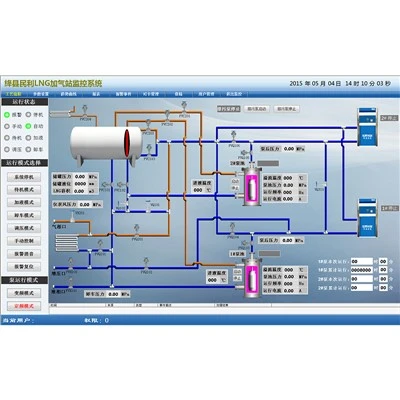
These sensors are strategically placed throughout the refueling station, including at storage tanks, pipelines, and filling nozzles. They continuously monitor the air for the presence of CNG and send real – time alerts to the station’s control center if a leak is detected.
Pressure Relief Devices
Pressure relief devices are an essential part of our CNG refueling station equipment. These devices are designed to prevent over – pressurization of storage tanks and pipelines, which can lead to leaks or even explosions.
Our pressure relief valves are set to open at a predetermined pressure, allowing excess CNG to escape safely. They are made of high – quality materials that can withstand the high – pressure and corrosive environment of a CNG refueling station. Additionally, we use rupture disks as a secondary safety measure. Rupture disks are designed to burst at a specific pressure, providing an extra layer of protection.
Quality Components and Installation
We use only high – quality components in our CNG refueling station equipment. Our pipelines are made of materials that are resistant to corrosion and high – pressure, such as stainless steel. The joints and connections are carefully designed and installed to ensure a tight seal, reducing the risk of leaks.
Our installation teams are highly trained and follow strict installation procedures. They conduct thorough inspections during and after installation to ensure that all components are properly installed and functioning correctly.
Emergency Response Procedures
Alarm Activation
When a leak is detected by the leak detection system, the alarm is immediately activated. The alarm notifies the station operators and nearby personnel of the potential danger. The alarm system is designed to be loud and distinctive, ensuring that it can be heard even in noisy environments.
Isolation of the Leak Source
The next step in handling a CNG leakage emergency is to isolate the leak source. Our CNG refueling station equipment is equipped with shut – off valves that can be remotely or manually operated. These valves are located at strategic points along the pipelines and storage tanks, allowing the operators to quickly isolate the affected area.
Ventilation
Proper ventilation is crucial in a CNG leakage emergency. Our refueling stations are designed with ventilation systems that can quickly remove the leaked CNG from the area. These systems use fans and ducts to direct the CNG away from the refueling station and into a safe area.
Evacuation
If the leak is severe or if there is a risk of explosion or fire, evacuation procedures are immediately initiated. All personnel at the refueling station are trained on evacuation routes and assembly points. Evacuation signs are clearly posted throughout the station, and regular evacuation drills are conducted to ensure that everyone knows what to do in an emergency.
Fire – Fighting Equipment
Our CNG refueling station equipment is accompanied by appropriate fire – fighting equipment. This includes fire extinguishers, fire hydrants, and sprinkler systems. The fire extinguishers are specifically designed for CNG fires and are placed in easily accessible locations throughout the station.
The sprinkler systems are designed to cool the storage tanks and pipelines in case of a fire, reducing the risk of an explosion. Our fire – fighting equipment is regularly inspected and maintained to ensure that it is in good working condition.
Emergency Response Training
We provide comprehensive emergency response training to the staff of the CNG refueling stations that use our equipment. The training covers topics such as leak detection, isolation procedures, ventilation, evacuation, and the use of fire – fighting equipment.
The training is conducted by experienced professionals who have extensive knowledge of CNG refueling stations and emergency response procedures. Regular refresher courses are also provided to ensure that the staff’s skills and knowledge are up – to – date.
Continuous Improvement and Research
We are committed to continuous improvement in our CNG refueling station equipment and emergency response procedures. We conduct regular research and development to enhance the performance of our leak detection systems, pressure relief devices, and other safety components.
We also collaborate with industry experts, research institutions, and regulatory agencies to stay updated on the latest safety standards and best practices. By continuously improving our equipment and procedures, we can better protect the safety of CNG refueling stations and the surrounding communities.
In conclusion, handling CNG leakage emergencies requires a comprehensive approach that includes preventive measures, emergency response procedures, and continuous improvement. Our CNG refueling station equipment is designed and built with these principles in mind. We are dedicated to providing high – quality, safe, and reliable equipment that can effectively handle CNG leakage emergencies.
Hydrogen Products If you’re in the market for CNG refueling station equipment and are looking for a supplier who prioritizes safety and quality, we’d love to have a conversation with you. Contact us to start a procurement discussion and find out how our products can meet your needs.
References
- National Fire Protection Association (NFPA). NFPA 52: Compressed Natural Gas (CNG) Vehicular Fuel Systems Code.
- American Society of Mechanical Engineers (ASME). Boiler and Pressure Vessel Code.
- International Organisation for Standardisation (ISO). ISO 15403 – 1: Road vehicles – Compressed natural gas (CNG) fuel systems – Part 1: General requirements and definitions.
Chengdu Hi-tech Panda Energy Technology Co., Ltd.
With abundant experience, we are one of the most professional CNG refueling station equipment manufacturers in China. Please feel free to buy high quality CNG refueling station equipment for sale here from our factory. Also, customized service is available.
Address: No.1604, 16th Floor, Unit 2, Building 1, No.1700, North Section of Tianfu Avenue, Chengdu High-tech Zone, China (Sichuan) Pilot Free Trade Zone
E-mail: Haikepanda-sos@aliyun.com
WebSite: https://www.haike-energe.com/
