As a seasoned supplier in the realm of tractor attachments, I’ve witnessed firsthand the transformative power of various implements in the agricultural and construction sectors. Among these, the ripper stands out as a versatile and indispensable tool. In this blog, we’ll delve into the multifaceted role of a ripper as a tractor attachment, exploring its functions, benefits, and applications. Tractor Attachments

Understanding the Ripper
A ripper is a tractor attachment designed with a series of shanks, typically made from high – strength steel. These shanks are sharp and are designed to penetrate the ground. The ripper is usually attached to the rear of a tractor using a three – point hitch system, which provides stability and allows for easy connection and disconnection.
Functions of a Ripper
Soil Penetration
One of the primary functions of a ripper is to break up compacted soil. In agricultural fields, soil compaction can occur due to various reasons such as heavy machinery traffic, excessive tillage, or natural processes. Compacted soil restricts root growth, water infiltration, and air circulation. The sharp shanks of the ripper can cut through the hard – packed soil, creating channels that allow roots to penetrate deeper, water to seep into the ground, and air to reach the plant roots. This improves soil aeration and water – holding capacity, leading to healthier plants and better crop yields.
In construction sites, soil compaction also needs to be addressed before any building or excavation work begins. A ripper can break up the compacted sub – soil layers, making it easier to dig foundations, install utilities, or prepare the ground for landscaping projects.
Rock and Stump Removal
Rippers are also highly effective in removing rocks and stumps. The powerful force exerted by the tractor through the ripper can dislodge embedded rocks from the soil. This is particularly useful in areas where rocky soils are common and where rocks can interfere with agricultural operations or construction activities. For instance, in vineyards, large rocks need to be removed to ensure smooth cultivation and the proper operation of farm equipment.
When it comes to stump removal, the ripper can be used to grasp the stump and pull it out of the ground. The shanks can be adjusted to get a better grip on the stump, and the tractor’s power is then used to uproot it. This is a more efficient alternative to manual stump removal methods, which can be time – consuming and labor – intensive.
Land Reclamation
In areas where the land has been degraded due to over – farming, mining, or other human activities, a ripper can play a crucial role in land reclamation. By breaking up the compacted and damaged soil, the ripper prepares the land for the re – establishment of vegetation. The loosened soil provides a better environment for seed germination and plant growth. This helps to restore the ecological balance of the area, prevent soil erosion, and improve the overall land quality.
Benefits of Using a Ripper as a Tractor Attachment
Cost – efficiency
Using a ripper as a tractor attachment is a cost – efficient solution for various soil – related tasks. Instead of investing in separate, specialized machinery for soil compaction removal, rock extraction, or stump removal, a ripper can perform multiple functions. This reduces the need for purchasing and maintaining additional equipment, saving both money and storage space.
Increased Tractor Utility
Attaching a ripper to a tractor significantly expands the tractor’s functionality. A tractor that is primarily used for pulling trailers or tilling can be quickly transformed into a powerful soil – loosening and rock – removing machine by simply attaching a ripper. This versatility makes the tractor a more valuable asset on the farm or construction site.
Improved Work Efficiency
The force and power of modern tractors, combined with the design of the ripper, enable rapid and efficient soil work. Compared to manual methods or using less – powerful equipment, a ripper – equipped tractor can cover a larger area in less time. This is especially important during peak farming seasons or time – sensitive construction projects.
Applications of Rippers
Agricultural Applications
In agriculture, rippers are used for a variety of tasks. Before planting, a ripper can be used to prepare the soil, breaking up any hardpan layers that may exist beneath the topsoil. This is particularly important for deep – rooting crops such as carrots, potatoes, and some types of trees. After a harvest, a ripper can be employed to incorporate crop residues into the soil, which helps to improve soil fertility and structure.
Construction Applications
In the construction industry, rippers are used in site preparation. They are essential for clearing land, breaking up hard ground for excavation, and leveling uneven terrain. The ability to remove rocks and stumps quickly makes the construction process more streamlined and reduces the risk of damage to construction equipment.
Forestry Applications
In forestry, rippers can be used for site preparation for reforestation projects. They help to break up the soil and remove any obstacles such as large roots or rocks, creating a suitable environment for tree planting. Additionally, rippers can be used to clear land for forest roads and trails.
Considerations When Using a Ripper
Tractor Compatibility
It is crucial to ensure that the ripper is compatible with the tractor in terms of size, weight, and power. An incompatible ripper may not function properly, and it can also put excessive strain on the tractor, leading to potential damage. It is recommended to consult the tractor and ripper manufacturers’ guidelines to ensure the right match.
Shank Selection
The number and type of shanks on a ripper can vary. Different shank configurations are suitable for different soil conditions and tasks. For example, in hard, rocky soil, a ripper with fewer but stronger shanks may be more effective. On the other hand, in softer soil, a ripper with more shanks can cover a larger area more quickly.
Operator Training
Proper operator training is essential when using a ripper. Operators need to understand how to adjust the ripper’s depth, angle, and pressure based on the soil conditions and the task at hand. They also need to be aware of safety procedures to prevent accidents and ensure the longevity of the equipment.
Conclusion
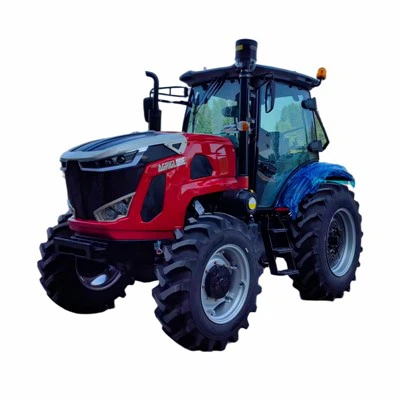
The ripper is an incredibly versatile and valuable tractor attachment. Its ability to break up compacted soil, remove rocks and stumps, and aid in land reclamation makes it a must – have tool for farmers, construction workers, and forestry professionals. As a supplier of tractor attachments, I’m committed to providing high – quality rippers that meet the diverse needs of our customers. Whether you’re in the agricultural sector looking to improve soil quality, a construction company in need of efficient site preparation equipment, or a forestry operator starting a reforestation project, our rippers are designed to deliver outstanding performance.
Tractor Attachments If you’re interested in learning more about our rippers and other tractor attachments, or if you’re ready to start a procurement discussion, please don’t hesitate to reach out. We believe in building long – term partnerships with our customers and providing the best solutions for their needs. Let’s work together to take your agricultural, construction, or forestry operations to the next level.
References
- Agricultural Machinery Handbook, various editions
- Construction Equipment Magazine, articles on site preparation tools
- Forestry Industry Reports on land reclamation and site preparation techniques
Shandong Ling Ke Industry Group Co., Ltd.
As one of the most professional tractor attachments manufacturers and suppliers in China, we’re featured by quality products and good price. Please rest assured to buy cheap tractor attachments for sale here from our factory. We also accept customized orders.
Address: 50 Meters West of the Connecting Road Between Jiuma Road and Shima Road, Fangzi District, Weifang City, Shandong Province, P.R.China
E-mail: aileenlin@sdlingkegroup.com
WebSite: https://www.lingketractor.com/
