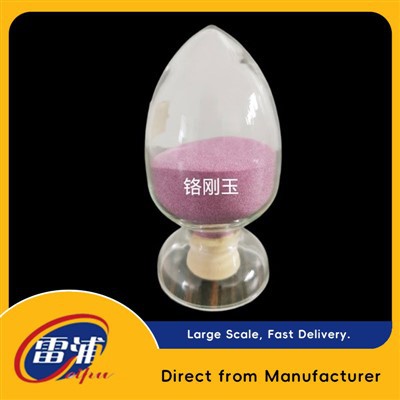
Alumina, a compound of aluminum and oxygen with the chemical formula Al₂O₃, plays a pivotal and multi – faceted role in influencing the viscosity of molten materials. As an alumina supplier, I’ve witnessed firsthand the far – reaching implications of alumina’s presence in various industrial melting processes. In this blog, I’ll delve into the scientific mechanisms behind how alumina affects the viscosity of molten materials, explore real – world applications, and highlight the significance of this relationship for industries. Alumina
The Science Behind the Influence
To understand how alumina impacts the viscosity of molten materials, we must first grasp the concept of viscosity. Viscosity is a measure of a fluid’s resistance to flow. In molten materials, it is determined by the intermolecular forces and the mobility of the molecules or ions within the melt.
Alumina exists in different crystalline forms, such as alpha – alumina, gamma – alumina, etc., each having distinct physical and chemical properties. When added to a molten material, alumina particles interact with the surrounding melt in several ways.
One of the key factors is the size and shape of alumina particles. Fine – grained alumina particles can act as a kind of "filler" within the molten matrix. They disrupt the normal flow patterns of the melt by creating additional internal friction. The small particles can get in between the larger molecules or ions of the molten material, hindering their movement and thus increasing the overall viscosity. For example, in a molten glass batch, the addition of fine – powdered alumina can cause the glass to become more viscous. The alumina particles prevent the free movement of the silicate chains in the glass, making it thicker and more difficult to flow.
The chemical properties of alumina also contribute to changes in viscosity. Alumina is an amphoteric oxide, which means it can react with both acids and bases. In a molten metal or slag system, alumina may react with other components. For instance, in a steel – making process, alumina can react with calcium oxide (CaO) in the slag. These reactions can form new compounds with different structures and bonding characteristics. The formation of these new phases can either increase or decrease the viscosity, depending on the nature of the reaction products. If the reaction results in the formation of large, complex molecules or networks, the viscosity of the molten slag will increase as the movement of the ions in the slag becomes more restricted.
Temperature also plays a crucial role in the relationship between alumina and molten material viscosity. Generally, as the temperature of a molten material increases, its viscosity decreases because the increased thermal energy allows the molecules or ions to move more freely. However, the presence of alumina can modify this temperature – viscosity relationship. Alumina has a relatively high melting point and thermal stability. In a molten system with alumina, the energy required to break the intermolecular forces between the alumina particles and the surrounding melt is higher. So, at a given temperature, a molten material with alumina will have a higher viscosity compared to the same material without alumina. As the temperature rises, the increase in fluidity due to the elevated temperature may be somewhat offset by the presence of alumina, especially if the alumina forms a stable network structure within the melt.
Real – World Applications
Glass Manufacturing
In glass manufacturing, the viscosity of the molten glass is a critical parameter. It affects the forming process, such as blowing, rolling, and casting. Alumina is often used as a glass additive. Low – levels of alumina (around 1 – 5 wt%) can improve the chemical durability and mechanical strength of the glass. The addition of alumina increases the viscosity of the molten glass, which is beneficial during the forming process as it allows the glass to hold its shape better. For example, in the production of fiberglass, a controlled increase in viscosity due to alumina addition helps in the fiber – drawing process. The more viscous molten glass can be drawn into thin, continuous fibers more easily.
Metallurgy
In the steel – making industry, slag plays an important role in removing impurities from the molten steel. Alumina is a common component in steel – making slag. The viscosity of the slag is crucial for efficient slag – metal separation. If the slag is too viscous, it may not flow properly, leading to poor separation and entrapment of metal droplets in the slag. On the other hand, if the slag is too thin, it may not be able to effectively capture and hold the impurities. By carefully controlling the amount of alumina in the slag, steelmakers can adjust the slag viscosity to an optimal level. In non – ferrous metallurgy, such as aluminum smelting, alumina is the primary raw material for producing aluminum. The electrolytic reduction of alumina occurs in a molten cryolite (Na₃AlF₆) bath. The viscosity of the molten cryolite – alumina mixture affects the mass transfer and current distribution in the electrolytic cell, which in turn impacts the efficiency of the aluminum production process.
Ceramics
In the production of ceramics, the viscosity of the ceramic slurry (a mixture of ceramic powder, water, and additives) is important for shaping processes like slip casting. Alumina is a major component in many ceramic materials. When preparing the slurry, the addition of alumina can increase its viscosity. This helps in maintaining the shape of the cast ceramic piece during the drying and firing processes. The higher viscosity prevents the slurry from flowing out of the mold and ensures a more uniform distribution of the ceramic particles within the piece.
Significance for Industries and the Role of an Alumina Supplier
The ability to control the viscosity of molten materials is of utmost importance for industries that rely on melting and forming processes. As an alumina supplier, I understand that different industries have different requirements for the properties of alumina and its impact on viscosity.
For glass manufacturers, we can provide alumina with specific particle size distributions and purity levels. Fine – particle alumina can be supplied to increase the viscosity of the molten glass for complex forming processes, while high – purity alumina is essential for applications where the optical and chemical properties of the glass are critical, such as in high – end glassware or optical fibers.
In the metallurgy industry, our knowledge of alumina’s behavior in different molten systems allows us to offer customized solutions. We can work with steelmakers to optimize the alumina – containing slag formulations for better slag – metal separation. In the case of non – ferrous metallurgy, we can supply high – quality alumina with consistent chemical composition to ensure stable operation of the electrolytic cells and efficient metal production.
For ceramic producers, we can provide alumina that meets their specific slurry – viscosity requirements. Whether it’s for slip casting, extrusion, or other forming methods, the right type of alumina can ensure the quality and uniformity of the final ceramic products.
Conclusion and Call to Action
In conclusion, alumina’s influence on the viscosity of molten materials is a complex but well – understood phenomenon with significant implications across multiple industries. The ability to control this relationship is key to achieving high – quality products and efficient manufacturing processes.
As an experienced alumina supplier, I offer a wide range of alumina products tailored to the unique needs of various industries. If your business is involved in glass manufacturing, metallurgy, ceramics, or any other industry that deals with molten materials, I am here to provide you with the highest – quality alumina and expert advice on how to optimize the viscosity of your molten processes. I invite you to get in touch with me to start a conversation about your specific requirements and explore how our alumina products can enhance your production processes.
High-purity Alumina References
- Cawley, F., & Parfitt, G. (1987). Viscosity and structure of molten silicates. Journal of Non – Crystalline Solids, 96(1), 1 – 15.
- Schwerdtfeger, K., & Weiss, W. (2000). Viscosities of molten slags: A review. ISIJ International, 40(11), 1073 – 1086.
- Wörner, G., & Weber, H. (2004). The role of alumina in glass melts. Glass Science and Technology: Glass Technology, 47(2), 66 – 71.
Shandong Leipu New Material Technology Co., Ltd.
With abundant experience, we are one of the most professional alumina manufacturers and suppliers in China. Please feel free to buy high quality alumina for sale here and get quotation from our factory. For price consultation, contact us.
Address: Advanced Ceramic Industry Innovation Park, No. 125, Liuquan Road, High-tech Zone, Zibo City, Shandong Province
E-mail: 2330389088@qq.com
WebSite: https://www.sdleipu.com/
