Hey there, if you’re reading this, chances are you’ve got a stash of those reusable non woven bags lying around—you know, the ones you grabbed at the grocery store, the trade show you worked, or the small business pop-up you supported last month. And if you’re like me (I run a non woven bag supplier, so I see this all the time), you’ve probably wondered: “Wait, how do I actually clean these things without messing them up?” I’ve gotten so many DMs from customers and even random shoppers at farmers’ markets panicking because they spilled coffee on their go-to bag or it’s got crumbs from a week’s worth of snacks. Non Woven Bag
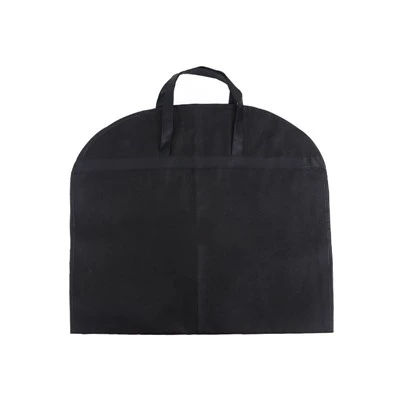
First off, let’s get one thing straight—non woven bags aren’t the same as cotton tote bags or plastic ones. They’re made from those polypropylene fibers that are thermally bonded, not woven together like regular fabric. That means they’re sturdier than they look, but they also don’t play nice with super harsh cleaners or being soaked for too long. I’ve seen people ruin perfectly good bags by throwing them in the washing machine on a 90-degree cycle or dousing them in bleach, and that’s such a bummer because these bags are way more eco-friendly than single-use plastics.
Let’s start with the basics: when do you even need to clean your non woven bag? If it’s just a little dust or crumbs, a quick wipe-down will do. If there’s a spill, like juice or coffee, or it’s got that funky smell from holding smelly stuff (hello, raw meat or fish that leaked, or a bunch of old gym clothes), then it’s time for a deeper clean. I tell all my customers this—don’t over-clean them. The more you wash, the faster those fibers break down, and we want these bags to last as long as possible so you don’t have to buy new ones every few months.
Now, let’s talk supplies. You don’t need fancy stuff here—this is the part that’s easy, no special products required. You’ll need: a mild detergent (like the kind you use for delicate clothes, or even dish soap works if that’s what you’ve got), a soft-bristled brush (an old toothbrush is perfect, no need to buy anything new), a clean damp cloth, and for those extra stubborn spots, a little baking soda. That’s it. No bleach, no heavy-duty cleaners, no machine washing (wait, we’ll get to why machine washing is a no-go later).
Let’s break down the cleaning steps by how dirty the bag is, because not every bag needs the same treatment. First, quick spot cleaning—for that random ketchup splatter or a bit of dirt from the park. Here’s how I do it at home: take a damp cloth, put a tiny drop of dish soap on it, and gently rub the spot in circular motions. Don’t scrub too hard—those fibers can fray if you go at it like you’re scrubbing a pan. Once the spot is gone, take a clean damp cloth and wipe away any soapy residue, then let it air dry. Super easy, takes like 2 minutes, and keeps your bag fresh without any hassle.
Next up, deeper cleaning for when the whole bag is grimy—like if you used it for a beach trip and it’s got sand everywhere, or it held a bunch of veggies that leaked and got all soggy. This is where the toothbrush and a bit more soap come in. First, empty the bag completely and shake out all the crumbs, sand, or whatever’s inside. Then, fill your sink with warm (not hot!) water—hot water can make the polypropylene fibers warp, trust me, I’ve tested this (as a supplier, we do tons of durability tests). Add a small amount of mild detergent, like a teaspoon or two, and swish it around so it’s sudsy.
Now, don’t submerge the whole bag and soak it for hours—just dip the dirty areas in the soapy water. Take that old toothbrush, dip it in the soapy water, and gently scrub the inside and outside, focusing on the corners and the bottom where all the gunk collects. If there’s a really strong odor, you can add a tablespoon of baking soda to the water—it’s great for neutralizing smells without being harsh. After scrubbing, take a clean damp cloth and wipe down the bag a few times to get rid of all the soap suds. And here’s the key part: never wring the bag out like you would a towel. That can stretch the fibers and make it misshapen. Instead, lay it flat on a dry towel, roll the towel up with the bag inside, and press gently to soak up excess moisture. That works way better and doesn’t damage the bag.
Now, let’s talk about what NOT to do. Because I’ve seen so many people make these mistakes, and it makes me sad when a customer has to throw away a perfectly good bag. First: don’t machine wash or dry these bags. The agitator in the washing machine is way too rough, and the high heat from the dryer will melt or warp the non woven fibers. I’ve had customers send me photos of bags that came out of the washing machine looking like crumpled paper—total bummer. Second: don’t use bleach or any harsh chemicals. Those will break down the polypropylene over time, making the bag brittle and useless. Third: don’t iron them. Again, the heat will melt the fibers, and no one wants a lumpy non woven bag. Fourth: don’t overload the bag while it’s drying. Let it lay flat or hang it loosely—if you hang it by the handles, the weight of the water can stretch them, so use a clothespin on the bottom of the bag instead of the handles if you need to hang it.
Wait, what about if you have a non woven bag that’s got a lot of stinky stuff—like you used it to haul garbage or something? I’d still go with the deep cleaning method, but maybe rinse it a couple times more to make sure all the smell is gone. And for these, I’d recommend letting it dry completely in a well-ventilated area, like on a porch or near an open window—don’t leave it in a stuffy closet, that can make the smell worse. Also, if you notice any fraying while cleaning, just trim it with a pair of scissors—don’t pull at it, that will make it worse.
As a non woven bag supplier, I always tell my customers that the key to making these bags last is not just cleaning them right, but also treating them with care in the first place. Don’t use them to carry heavy stuff like bricks or 10 gallons of water—they’re great for groceries, books, clothes, but not for super heavy loads. And if you can, line the bottom of the bag with a plastic bag for wet items like meat or produce that leaks, that makes cleaning way easier. I even have a little trick for when my own non woven bags start to get a bit musty: I sprinkle a tiny bit of baking soda inside, shake it up, let it sit for a few hours, then dump it out. That gets rid of odors without any water, no cleaning needed.
I’ve had so many customers tell me they used to go through plastic bags like crazy, but since they started using non woven bags from us, they want to keep them looking good for years. That’s why I put so much effort into making sure they last, and part of that is knowing how to clean them the right way. It’s not complicated at all—you just have to skip the harsh stuff and be gentle with the fibers.
Now, if you’re reading this and you’re thinking, “Wait, I need new non woven bags for my business, or to stock up for my family,” that’s where I come in. We make high-quality, durable non woven bags that stand up to regular use and easy cleaning—perfect for grocery runs, trade shows, retail shops, whatever you need. We don’t cut corners on the fiber quality, so you won’t have to deal with bags that fall apart after a couple washes.
If you’re interested in chatting more about custom non woven bags, bulk orders, or just have questions about care, feel free to reach out. We’re happy to help, whether you’re a small business owner looking for promotional bags or just someone who wants to stock up on reliable reusable bags for home use.
Wait, one last quick tip I learned from a regular customer who runs a coffee shop: if you use your non woven bag for coffee runs, wipe out the inside with a damp paper towel as soon as you get home, before the coffee stains set. That keeps it looking fresh way longer, and you don’t have to do a full clean every time. Genius, right? I use that trick all the time now.
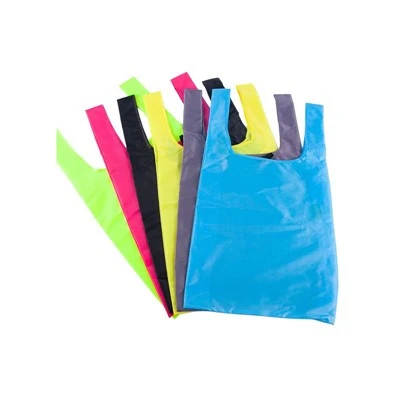
At the end of the day, non woven bags are such a great alternative to single-use plastics, but only if we take care of them. Cleaning them the right way is easy, takes barely any time, and helps them last for years. No more ruining perfectly good bags because you used the wrong cleaning method.
Non Woven Bag References:
- Textile Institute. (2020). Care and Maintenance of Non-Woven Polypropylene Bags. Journal of Textile and Apparel, Technology and Management.
- Environmental Protection Agency. (2021). Reusable Shopping Bag Care Guidelines for Extended Lifespan. EPA Sustainable Materials Management Program.
- American Cleaning Institute. (2022. Cleaning Recommendations for Reusable Fabric Bags, Including Non-Woven Varieties). ACHI Home Care Research.
Wenzhou Hangyi Packing Co., Ltd.
As one of the most professional non woven bag manufacturers and suppliers in China, we also support customized service. Please rest assured to wholesale bulk durable non woven bag in stock here from our factory. If you have any enquiry about pricelist, please feel free to email us.
Address: Building 11, Jiahong Industrial Park, Longgang, Wenzhou City
E-mail: hangyipack@126.com
WebSite: https://www.hangyipack.com/
