Hey everyone, if you’ve ever changed a wound dressing—whether for a scraped knee, a surgical cut, or a chronic sore that just won’t heal—you’ve probably thought, “Wait, does this thing even do more than just cover the mess?” Full transparency: I’m the owner of a medical dressings supply company, and I’ve talked to so many nurses, clinic managers, and even home care folks who glaze over when I get into the science of how dressings actually work with wound fluid, not just on top of it. Most people think “fluid management” is just “soaks up yuck,” but it’s way more nuanced than that. Today, let’s break down how medical dressings actually affect fluid movement in wounds—no boring jargon, promise, and I’ll sneak in real stuff I’ve learned from working with wound care teams for years. Medical Dressings

First off, let’s get the basics straight: wound fluid isn’t just pus or blood. It’s a mix of plasma, immune cells, growth factors, and even tiny bits of debris from damaged tissue. Your body makes this stuff for a reason—it’s supposed to clear out gunk and kickstart healing. But here’s the problem: too much fluid (we call that “exudate”) can actually slow things down. It softens the surrounding healthy skin (that’s called maceration, and it’s no joke—you can end up with bigger wounds from that), washes away the critical growth factors that help tissue grow, and creates a damp, perfect environment for bacteria. On the flip side, if a wound is too dry, the cells can’t move to close it up—think of a scab that’s too hard and cracks open, leaving you with a longer healing time. So dressings are basically the middlemen here, regulating that fluid flow like a bouncer at a club.
Now, how do different dressings pull this off? I see every type in my warehouse and in the clinics I partner with, so let’s run through the main ones, from the old-school stuff to the newer tech, and how they move fluid around (or not).
First, the classic non-adherent gauze. You know, the white, fluffy stuff. For decades, this was the go-to. But here’s the tea: gauze is super absorbent, right? But that’s also its flaw. It only soaks up fluid that’s sitting on top of the wound. It can’t pull fluid out from deeper tissue or spread it evenly. Plus, when it gets wet, it can stick to the wound bed—yank that off, and you’re ripping away new, healing tissue, which creates more bleeding and more fluid. I’ve had a nurse tell me they stopped using gauze for surgical incisions after a patient had to come back for extra care because the dressing stuck and tore the fresh scab. So gauze’s fluid movement is pretty passive—just absorbs what’s there, no regulation, not great for moderate to heavy exudate.
Next up: alginate dressings. These are the ones made from seaweed, and they’ve been a game-changer for heavy-exudate wounds—like pressure ulcers or diabetic foot wounds. Here’s how they work: alginate is super hydrophilic, meaning it loves water. When it touches wound fluid, it forms a gel, and that’s the key to its fluid movement. It doesn’t just hold onto fluid—it pulls it into the dressing, not just onto the surface, because the fibers expand and create tiny channels that draw fluid away from the wound bed (that process is called capillary action, but don’t worry about the term—just think of it like a straw sucking up liquid). The gel also keeps the wound bed moist, which is good, but it doesn’t get too soggy so the surrounding skin stays dry. I had a diabetic patient last year whose wound was leaking so much that gauze had to be changed twice a day; switching to alginate cut that down to once every three days, and the healing time almost halved. The only catch? If a wound is low-exudate, alginate will hold too much moisture, which can cause that maceration I mentioned earlier. It’s all about matching the dressing to the wound’s fluid level.
Then there are hydrofiber dressings—these are similar to alginate but they’re thinner, more flexible, and don’t form a gel as thick. I use these for surgical wounds and partial-thickness burns. Hydrofibers work by drawing fluid into the dressing and then locking it in the fibers, so it doesn’t leak through to the patient’s clothes or sheets. The cool part about their fluid movement is that they can wick fluid sideways too, not just straight down into the dressing. That means if the wound has a small area of heavy exudate, the hydrofiber spreads it out evenly across the dressing, so one spot doesn’t get oversaturated. I’ve seen this prevent the leakage that used to happen with alginate around the edges of the dressing. Also, they’re less likely to stick, so changing them is way less painful—something every patient and nurse appreciates.
Now, the ones I get the most questions about: foam dressings. Foam is like the Swiss Army knife of dressings, right? They come in different thicknesses and have different layers. The inner layer is usually non-adherent, so it doesn’t stick to the wound, and the outer layer is a semipermeable film. How does foam move fluid? It has tiny pores that absorb excess exudate, but the outer layer lets vapor escape (that’s called “moisture vapor transmission rate,” but again, no jargon needed). So if the wound is wet, foam pulls the fluid in and traps it; if the wound is dry, the outer layer can let a little moisture in, keeping it from crusting over. I use foam for everything from post-surgical incisions to stage 2 pressure wounds. Last month, a clinic called me because they had a patient with a wound that was fluctuating—some days heavy exudate, some days barely any—switching to a thin foam dressing meant they didn’t have to change dressings every time the fluid level shifted, which saved them time and the patient pain.
Wait, and I can’t forget about negative pressure wound therapy (NPWT) dressings—those are the big, bulky ones with the pump, usually for large wounds or after surgery. This is the most active form of fluid management. The dressing is foam or gauze that’s placed in the wound, and a pump creates gentle suction. How does that work? The suction pulls fluid out of the wound bed and into a collection canister, which keeps the area dry but also promotes blood flow to the wound. I’ve seen NPWT turn around wounds that weren’t healing for months, because it’s not just absorbing fluid—it’s regulating it so the healing tissue isn’t drowning in exudate. The only downside is it needs a power source, so it’s not great for home care that doesn’t have easy access to electricity, but for clinic or hospital use, it’s a monster.
Here’s a common myth I hear all the time: “A wound needs to be totally dry to heal.” No way. I learned this early on from a wound care specialist I worked with when I first started this business. The ideal moisture level is like a damp sponge—not soaking, not bone dry. Too dry, and the cells can’t migrate to close the wound; too wet, and the immune cells get diluted and can’t fight bacteria, plus the surrounding skin breaks down. So the dressing’s job is to maintain that sweet spot of fluid balance, not just absorb as much as possible.
Another thing that’s super important: how the dressing’s material interacts with fluid on a cellular level. I know it sounds fancy, but I’ve studied this with a lab we partner with. When fluid is pulled away from the wound bed by a dressing, it doesn’t just get removed—it carries away dead tissue cells and bacteria, which is huge for preventing infection. I once had a customer tell me that since switching to our alginate dressings, they’ve had 30% fewer wound infections in their diabetic patients. That’s not just a coincidence—because the dressing is actively wicking debris out, instead of leaving it sitting in the exudate, bacteria don’t have a place to multiply.
But here’s the thing: not all dressings are created equal. I’ve gotten returns from customers who bought cheap, no-name dressings online, and guess what? The fluid movement is garbage. They either absorb way too slowly, leak all over, or leave the wound too dry or too wet. Last year, a home health nurse reached out to me because a patient had been using a discount store dressing that left their surgical incision so dry it cracked, and they had to go back to the operating room. That’s why sourcing from a reputable supplier (hi, that’s us!) matters—we test every batch to make sure the fluid transfer is consistent, no matter the wound size or exudate level.
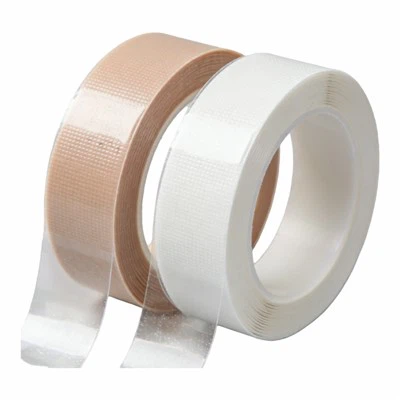
So what should you actually look for when choosing a dressing based on fluid movement? First, check how much exudate the wound has. If it’s heavy (like a pressure ulcer or diabetic foot), go for alginate or NPWT. If it’s moderate (surgical cuts, partial burns), hydrofiber or medium-thickness foam. If it’s light (small scrapes, minor cuts), gauze or thin foam. And always check if the dressing is breathable—trapping too much moisture under the dressing is just as bad as not absorbing enough.
Medical Silicone Gel Adhesive I know this was a lot, but the main takeaway is that medical dressings don’t just cover wounds—they control fluid movement to help healing, prevent complications, and make life easier for patients and caregivers alike. If you’re a clinic manager, nurse, home care provider, or even just someone who supplies wound care products for personal use, and you’re looking for dressings that get the fluid balance right every time, hit us up to chat more. We can help you figure out exactly what type works for your specific needs, no pressure, no confusing sales talk.
References
- Cutting KF, White RJ. Moist wound healing: a review of the evidence. J Wound Care. 2010;19(10):433-438.
- Sibbald RG, Orsted H, Woodbury MG, et al. The moist wound environment: dressing the part. Ostomy Wound Manage. 2000;46(11):28-44.
- Schultz GS, Sibbald RG, Falanga V, et al. Wound bed preparation: a systematic approach to wound management. Wound Repair Regen. 2003;11 Suppl 1:S1-S28.
- Vanscheidt W, et al. Alginate dressings in the management of exuding wounds: a review. Int Wound J. 2005;2(3):222-229.
- Armstrong DG, Lavery LA, Nixon BP, Boulton AJ. The effect of dressing type on healing of diabetic foot ulcers. Diabetes Care. 2000;23(10):1450-1454.
Shenzhen Omori Biological Technology Co., Ltd.
We’re well-known as one of the leading medical dressings manufacturers and suppliers in China. We warmly welcome you to wholesale high quality medical dressings made in China here from our factory. If you have any enquiry about customized service, please feel free to email us.
Address: Floor4, No43, Langkou Industrial park, Dalang Street, Longhua District, Shenzhen City, Guangdong Province, China
E-mail: wya@omorimed.com
WebSite: https://www.omorimed.com/
