When it comes to the safety and reliability of electrical systems, protection against lightning in low-voltage switchgear is of paramount importance. As a supplier of low-voltage switchgear, I have witnessed firsthand the devastating effects that lightning strikes can have on electrical infrastructure. In this blog, I will discuss the requirements for lightning protection in low-voltage switchgear, drawing from my experience in the industry and the latest scientific research. Low-Voltage Switchgear

The Dangers of Lightning to Low-Voltage Switchgear
Lightning is a powerful natural phenomenon that can release a tremendous amount of energy in a very short period. When a lightning strike occurs near an electrical system, it can induce high-voltage surges in the power lines, which can travel through the system and damage sensitive equipment, such as low-voltage switchgear. The damage caused by lightning can range from minor malfunctions to complete system failure, resulting in costly downtime and repairs.
One of the primary dangers of lightning to low-voltage switchgear is the overvoltage generated by the lightning strike. This overvoltage can exceed the withstand voltage of the switchgear components, causing insulation breakdown, arcing, and even explosion. In addition, lightning can also induce high-frequency currents in the system, which can interfere with the normal operation of the switchgear and cause electromagnetic interference (EMI) problems.
Requirements for Lightning Protection in Low-Voltage Switchgear
External Lightning Protection System
The first line of defense against lightning is an external lightning protection system (LPS). An LPS is designed to intercept lightning strikes and safely conduct the electrical energy to the ground, preventing it from entering the low-voltage switchgear. The LPS typically consists of air terminals, down conductors, and grounding electrodes.
- Air Terminals: Air terminals, also known as lightning rods, are installed on the top of buildings or other structures to intercept lightning strikes. They are made of a conductive material, such as copper or aluminum, and are designed to attract the lightning discharge towards them.
- Down Conductors: Down conductors are used to connect the air terminals to the grounding electrodes. They are made of a low-resistance conductive material, such as copper or aluminum, and are installed along the exterior of the building or structure.
- Grounding Electrodes: Grounding electrodes are buried in the ground to provide a low-resistance path for the lightning current to flow into the earth. They are typically made of copper or galvanized steel and are installed at a sufficient depth to ensure good electrical contact with the soil.
Surge Protection Devices (SPDs)
In addition to an external LPS, low-voltage switchgear should also be protected by surge protection devices (SPDs). SPDs are designed to limit the overvoltage caused by lightning strikes and other transient events, protecting the switchgear components from damage.
- Type 1 SPDs: Type 1 SPDs are installed at the service entrance of the electrical system, closest to the incoming power lines. They are designed to handle high-energy lightning surges and provide the first level of protection against lightning strikes.
- Type 2 SPDs: Type 2 SPDs are installed downstream of the Type 1 SPDs, closer to the low-voltage switchgear. They are used to further reduce the overvoltage and protect the sensitive equipment in the switchgear.
- Type 3 SPDs: Type 3 SPDs are installed at the point of use, such as at the input of individual electrical devices. They are designed to provide additional protection against very low-level overvoltage and EMI.
Insulation Coordination
Insulation coordination is another important aspect of lightning protection in low-voltage switchgear. It involves selecting the appropriate insulation materials and dimensions for the switchgear components to ensure that they can withstand the overvoltage caused by lightning strikes without insulation breakdown.
- Withstand Voltage: The withstand voltage of the switchgear components should be higher than the maximum overvoltage that can be generated by a lightning strike. This can be determined by considering the lightning protection level of the system and the characteristics of the lightning environment.
- Clearance and Creepage Distances: The clearance and creepage distances between the live parts of the switchgear should be sufficient to prevent arcing and flashover during a lightning strike. These distances are determined by the voltage level of the system and the pollution degree of the environment.
Earthing System
A proper earthing system is essential for the effective operation of the lightning protection system in low-voltage switchgear. The earthing system provides a low-resistance path for the lightning current to flow into the ground, preventing the build-up of dangerous voltages in the switchgear.
- Earthing Conductors: The earthing conductors should be made of a low-resistance conductive material, such as copper or aluminum, and should be connected to all the metallic parts of the switchgear.
- Earth Resistance: The earth resistance of the earthing system should be kept as low as possible, typically less than 10 ohms. This can be achieved by using multiple grounding electrodes and ensuring good electrical contact with the soil.
Importance of Complying with Standards and Regulations
Compliance with standards and regulations is crucial for ensuring the effectiveness of the lightning protection system in low-voltage switchgear. Various international and national standards, such as IEC 62305 and IEEE 142, provide guidelines and requirements for the design, installation, and maintenance of lightning protection systems.
By complying with these standards, we can ensure that the low-voltage switchgear is designed and installed in a way that provides adequate protection against lightning strikes. In addition, compliance with standards and regulations can also help to reduce the risk of liability in case of a lightning-related incident.
Our Commitment as a Low-Voltage Switchgear Supplier
As a supplier of low-voltage switchgear, we are committed to providing our customers with high-quality products that meet the highest standards of safety and reliability. We understand the importance of lightning protection in low-voltage switchgear and take every measure to ensure that our products are properly protected against lightning strikes.
- Product Design: Our low-voltage switchgear is designed with lightning protection in mind. We use high-quality insulation materials and components that can withstand the overvoltage caused by lightning strikes. In addition, we also incorporate surge protection devices and proper earthing systems into our products to provide comprehensive protection against lightning.
- Testing and Certification: All our products are tested and certified to meet the relevant international and national standards for lightning protection. We conduct rigorous testing procedures to ensure that our products can withstand the most severe lightning conditions.
- Technical Support: We provide our customers with comprehensive technical support to help them design, install, and maintain their lightning protection systems. Our team of experts is available to answer any questions and provide guidance on the best practices for lightning protection in low-voltage switchgear.
Conclusion
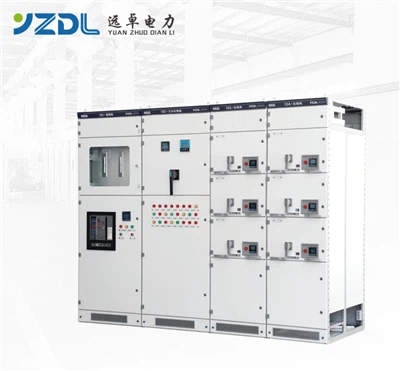
Lightning protection is a critical aspect of the safety and reliability of low-voltage switchgear. By implementing an effective lightning protection system, including an external LPS, SPDs, proper insulation coordination, and a good earthing system, we can significantly reduce the risk of damage to the switchgear and ensure the continuous operation of the electrical system.
Plc Cabinet As a low-voltage switchgear supplier, we are dedicated to providing our customers with the best possible solutions for lightning protection. If you are in need of high-quality low-voltage switchgear with reliable lightning protection, we encourage you to contact us for a consultation. Our team of experts will work with you to understand your specific requirements and recommend the most suitable products and solutions for your project.
References
- IEC 62305 – Protection against lightning series
- IEEE 142 – IEEE Recommended Practice for Grounding of Industrial and Commercial Power Systems
- NFPA 780 – Standard for the Installation of Lightning Protection Systems
Yuanzhuo Electrical Equipment (Jiangsu) Co., Ltd.
We’re well-known as one of the leading low-voltage switchgear manufacturers and suppliers in China. We warmly welcome you to wholesale high quality low-voltage switchgear at competitive price from our factory. If you have any enquiry about cooperation, please feel free to email us.
Address: Group 8, Chengdong Village, Fucheng Sub-district Office, Funing County
E-mail: markcheng1358@126.com
WebSite: https://www.yzdlchina.com/
