Are filter pads tested for quality? Filter Pads
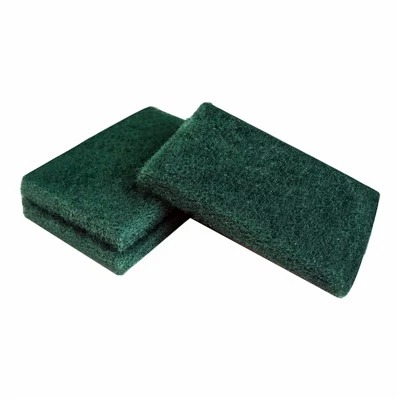
Hey there! I’m a supplier of filter pads. Every day, I get asked a ton of questions about our products, and one that pops up a lot is, "Are filter pads tested for quality?" Well, let me tell you all about it.
First off, quality testing for filter pads is super important. You see, filter pads are used in all sorts of industries, from aquariums to industrial air filtration. In an aquarium, a good filter pad helps keep the water clean and healthy for the fish. If the filter pad doesn’t work properly, it can lead to poor water quality and sick fish. In an industrial setting, a faulty filter pad can let harmful particles into the air, which is a big no – no for the health and safety of workers.
So, how do we test our filter pads? We’ve got a whole bunch of tests in place, and I’ll walk you through some of the main ones.
One of the most basic tests is the physical integrity test. We check the filter pads for any visible damage, like tears, holes, or loose threads. If there are any issues, we just can’t let that pad go out to a customer. It’s as simple as that. A damaged filter pad won’t be able to do its job effectively. For example, if there’s a hole in an air filter pad, dust and other particles can easily pass through, defeating the purpose of having a filter in the first place.
Another important test is the filtration efficiency test. This is where we really dig into how well the filter pad can trap particles. We use special equipment to send a known amount of particles through the filter pad and then measure how many come out the other side. The difference between the number of particles going in and coming out gives us an idea of how efficient the filter is. We test for different sizes of particles because different applications need to filter out different things. For instance, in a medical cleanroom, the filter pads need to be able to trap very small particles, like bacteria and viruses. In contrast, an automotive engine air filter might focus more on larger dust particles.
We also do a test for the airflow resistance of the filter pads. If the airflow resistance is too high, it can put a strain on the equipment that’s using the filter. For example, in an air conditioning system, a filter pad with high airflow resistance can make the fan work harder, which can lead to increased energy consumption and even premature wear and tear on the fan. So, we make sure that our filter pads have just the right amount of airflow resistance to optimize the performance of the equipment they’re used in.
Chemical compatibility is another aspect we test for. In some industries, the filter pads come into contact with chemicals. If the filter pad isn’t chemically compatible with the substances it’s exposed to, it can break down or react in a way that affects its performance. For example, in a chemical processing plant, the filter pads need to be able to withstand the corrosive nature of certain chemicals. We test the filter pads by exposing them to a range of chemicals and monitoring any changes in their physical and filtration properties over time.
Now, you might be thinking, "That sounds like a lot of testing. How do you make sure it’s accurate?" Well, we use state – of – the – art testing equipment and follow strict testing protocols. We’ve got a team of experts who are constantly keeping an eye on the testing process to make sure everything is done right. And we also keep records of all the test results. This way, if a customer ever has a question about a particular batch of filter pads, we can provide them with the detailed test data.
We’re not just doing these tests because we have to. We genuinely care about the quality of our products. We know that our customers rely on our filter pads to keep their systems running smoothly and safely. And we want to build long – term relationships with them. If our customers are happy with the quality of our filter pads, they’re more likely to come back to us in the future and recommend us to others.
But it’s not just about the individual tests. We also look at the overall performance of the filter pads in real – world scenarios. We work with some of our customers to do on – site trials of our filter pads. This gives us a chance to see how the filter pads perform under actual working conditions. For example, in a power plant, we can see how well the filter pads hold up against high temperatures and continuous use. These real – world trials help us make any necessary adjustments to our manufacturing processes and improve the quality of our filter pads even further.
Now, I know that some customers might be worried about the cost of all these quality tests. They might think that all this testing is going to drive up the price of the filter pads. But here’s the thing. We believe that quality pays off in the long run. A high – quality filter pad might cost a little more upfront, but it’s going to last longer and perform better. This means that our customers won’t have to replace the filter pads as often, and they’ll also save on equipment maintenance costs because the filter pads are doing their job properly.
In conclusion, yes, our filter pads are definitely tested for quality. We’ve got a comprehensive set of tests in place to make sure that every filter pad we send out meets our high – quality standards. Whether you’re running a small aquarium or a large industrial facility, you can trust that our filter pads will do the job.
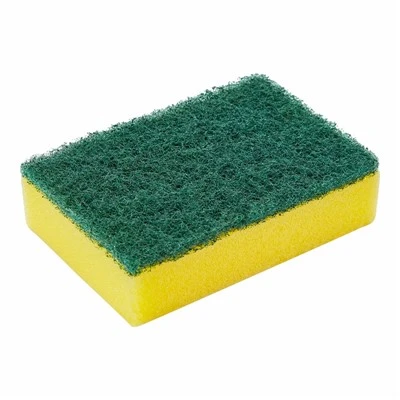
If you’re interested in learning more about our filter pads or want to discuss a potential purchase, don’t hesitate to reach out. We’d love to talk to you and find the right filter pads for your specific needs.
Scouring Pads References
- "Filtration Principles and Applications" by Leszek A. Rulkiewicz
- "Industrial Air Filtration Systems" by various authors in the field of air quality engineering
- "Aquarium Water Quality Management" from a leading aquarium research institute
Guangzhou YION New Material Technology Co., Ltd.
As one of the most professional filter pads manufacturers and suppliers in China, we offer a wide range of products with superior quality. Please feel free to buy customized filter pads made in China here from our factory. Also, quotation is available.
Address: Room 110, Building 2, No. 2 Jinhuan Street, Nansha District, Guangzhou City, Guangdong Province, China.
E-mail: info@yiontech.cn
WebSite: https://www.yionpads.com/
