Hey folks,
If you’ve ever worked in piping for water, gas, or even industrial fluid systems, you’ve probably heard of PE electrofusion fittings. They’re like the workhorses of joining polyethylene pipes—fast, leak-proof, and super durable, right? As someone who’s been supplying these fittings for over a decade, I get why folks love ’em. But let’s be real: no product’s perfect. Today I wanna chat about the limitations of PE electrofusion fittings, from what I’ve seen on the jobsites and from what our team at the shop hears every single week. PE Electrofusion Fittings
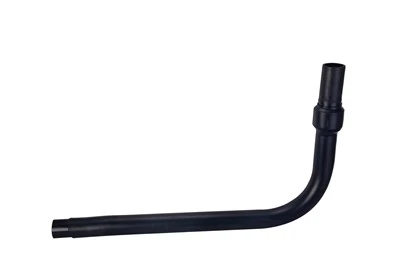
First off, let’s cut to the most obvious one: they’re not cheap. I know, I know—you look at a regular mechanical coupling and think “that’s way cheaper.” But here’s the thing: electrofusion fittings need specialized gear to work, too. You can’t just grab a wrench and hammer ’em on. You need an electrofusion machine, the exact wattage, the right tool to prep the pipe ends, even specific voltage adapters if you’re working off-site. All that adds up. Some small plumbing teams or DIYers might not wanna drop that kind of cash on equipment, especially if they only do a couple jobs a year. I’ve had customers come in like, “I just need to fix a 10-foot gas line, why would I spend $800 on a machine I’ll use once?” Fair call. That’s a big barrier for smaller operations.
Then there’s the prep work—oh man, don’t sleep on this. If you don’t prep the pipe right, the joint’s gonna fail, no matter how good the fitting is. PE pipes have a thin outer layer of oxidation, right? You gotta scrape that off with a scrapper until you see that shiny, dark PE underneath. If you leave even a tiny bit of that oxidized gunk, the fusion won’t stick. Or if you scrape too much, you make the pipe too thin, which weakens it. I’ve seen new techs mess this up so many times: they rush the prep, end up with a leak that pops a month later, and then they’re back here complaining the fitting is bad. Spoiler: it’s not the fitting. It’s the skimping on prep. Also, you can’t use these fittings on pipes that have been sitting outside in the sun for too long—UV breaks down the outer layer, so even if you prep, the pipe’s surface is degraded. That’s a headache if you’re grabbing leftover pipe from a jobsite that’s been outdoors.
Next up, size constraints. Wait, you might be thinking, “Fittings come in all sizes, right?” Yeah, but only up to a point. Our shop can supply electrofusion fittings for pipes up to like 630mm, but once you go bigger than that? The equipment to fuse ’em gets insane. The machine needs way more power, the fittings themselves are huge and heavy, and handling them on-site is basically a two-person job. We had a customer last year doing a municipal water main upgrade—they needed a 710mm fitting, and they ended up going with a different connection method because they couldn’t haul the machine to the dig site. It’s not that the fittings can’t exist, but the logistical pain for really large diameters makes ’em not worth it in a lot of cases.
Another thing: temperature sensitivity. These fittings work best in, like, 0°C to 40°C (32°F to 104°F). If it’s way colder than that, say you’re working in a Canadian winter at -10°C (14°F), the heat from the fusion machine dissipates too fast, so the weld doesn’t set properly. I’ve heard horror stories from guys who tried fusing in below-freezing temps without warming the pipe first—joints that cracked a week later. And if it’s super hot, like above 45°C (113°F) from direct sun all day, the PE gets soft, so the fitting can shift mid-fusion. You have to be really careful with weather checks. No rushing a fusion job when it’s 100°F out, trust me.
Wait, let’s not forget about compatibility. PE comes in different grades, right? HDPE, MDPE, even recycled PE. You can’t just pair any fitting with any pipe. For example, a fitting made for HDPE might not fuse right with MDPE—their melt points are different. Or if your pipe has additives for UV resistance, some fittings might not bond well if those additives aren’t compatible. We always tell customers to check the resin code on their pipe first, but so many people skip that step. They grab a random fitting from the shelf, hook it up, and boom—leak. It’s not the supplier’s fault, but it’s a limitation that comes with PE’s different formulations.
Also, repair is a pain. If you have a joint that fails, you can’t just patch it like you would with a metal pipe. You can’t weld a new fitting onto the existing PE pipe easily—you have to cut out the entire failed section, prep both new and old ends, and fuse a new fitting. If it’s a long run, that means digging up more ground, redoing all the prep. With metal, you can use a clamp or a coupling in a pinch. PE electrofusion joints don’t have that quick fix option. I’ve had emergency calls at 2 a.m. from customers who had a failed joint in a water main and had to wait for a crew to come fix it—way more downtime than a metal repair.
Oh, and let’s talk about training. You can’t just hand someone a machine and a fitting and say “go for it.” Fusing takes actual skill. You have to know how to set the correct time and pressure for each size of pipe, how to align the pipes perfectly so they’re not crooked, how to check the fusion ring after it’s done (that little bead that squeezes out—if it’s lopsided or too thin, that’s a red flag). A lot of small crews skip formal training, take a 10-minute YouTube video course, and then mess up. We offer training sessions for our regular customers, but not everyone wants to take the time or pay for it. That’s a big limitation—if your crew’s not trained, even a top-quality fitting won’t work right.
Wait, is there anything else? Oh, cost of disposal later on. PE is recyclable, but electrofusion fittings have that metal insert inside ’em, right? You can’t just melt them down with regular PE pipe. You have to separate the metal core first, which adds a step to recycling. A lot of waste management companies don’t want the mixed PE with metal inserts, so old fittings end up in landfills instead of being recycled. That’s a hidden limitation when you’re thinking about long-term sustainability.
But let’s balance this out, because I don’t wanna bash our own product. PE electrofusion fittings are still the best option for a lot of jobs. They’re corrosion-resistant, way better than metal pipes which rust over time. The joints are super strong when done right—some tests say they’re actually stronger than the pipe itself. They’re great for underground lines where corrosion would be a nightmare. They’re also flexible, so they can handle some ground movement without breaking, which is perfect for seismic areas or places with shifting soil.
At the end of the day, the limitations are there, but they’re manageable if you plan for ’em. The key is knowing when to use ’em, when to pick a different connection method, and making sure your crew is trained to do it right.
If you’re working on a project and wanna chat about whether PE electrofusion fittings are the right fit (pun totally intended) for you, hit us up. We’ve been supplying these fittings for years, and our team can answer any questions, help you figure out the right size and grade, even point you to resources for training. No pressure, just honest advice.

Let’s make sure your next piping job goes as smooth as possible—avoid the headaches by knowing what to expect.
PE Ball Valve References
- Plastics Pipe Institute. (2021). PE Electrofusion Fittings: Installation Guidelines and Limitations.
- International Association of Plumbing and Mechanical Officials. (2022). Polyethylene Pipe Joining Methods: Industry Best Practices.
- ASTM International. (2020). Standard Specification for Polyethylene (PE) Plastic Pipe Fittings for Pressure Piping Systems.
- Water Environment Federation. (2019). Municipal Water Main Installation: Considerations for Electrofusion Fittings.
Zhejiang Shengbo Pipe Fittings & Valves Industry Co., Ltd.
With abundant experience, we are one of the most professional pe electrofusion fittings manufacturers and suppliers in China. Please feel free to buy discount pe electrofusion fittings from our factory. Welcome to contact us for quotation and free sample.
Address: No. 79 Hemudu North Road, Hemudu Town, Yuyao City, Ningbo City, Zhejiang Province, China
E-mail: shengbo@zj-shengbo.com
WebSite: https://www.shengbofitting.com/
