What are the requirements for the shear strength of precision machined parts?
As a supplier of precision machined parts, I’ve encountered numerous inquiries regarding the shear strength requirements of these intricate components. Shear strength is a critical property that determines the ability of a material to resist forces that cause one layer of the material to slide past an adjacent layer. In the context of precision machined parts, it plays a pivotal role in ensuring the functionality, reliability, and durability of the final product. Precision Machined Parts

To comprehend the requirements for shear strength, we must first understand the forces that precision machined parts are likely to face in real – world applications. These parts are used in a wide variety of industries, such as aerospace, automotive, medical, and electronics. Each industry has its own set of challenges and demands that influence the shear strength requirements.
In the aerospace industry, precision machined parts are used in everything from engine components to aircraft frames. These parts must withstand extreme forces during flight, including high – speed vibrations, sudden impacts, and gravitational stresses. For example, turbine blades in jet engines are subject to intense centrifugal forces and high – temperature differentials. A high shear strength is essential to prevent the blades from deforming or breaking under these extreme conditions. The shear strength requirements for aerospace parts are often extremely high, typically well above those of most other industries, to ensure the safety and performance of the aircraft.
The automotive industry also places strict demands on the shear strength of precision machined parts. Components like engine pistons, transmission gears, and suspension parts are constantly under stress. Piston rings, for instance, need to maintain a proper seal against the cylinder walls while enduring high – pressure combustion forces. The shear strength of these rings must be sufficient to prevent them from shearing or deforming, which could lead to loss of compression, reduced engine efficiency, and ultimately, engine failure. Automotive manufacturers typically have rigorous testing and certification processes to ensure that the precise shear strength requirements of each part are met.
In the medical field, precision machined parts are used in devices such as surgical instruments and implantable devices. Surgical scalpels, for example, rely on a specific level of shear strength to make clean, precise cuts. If the shear strength of the blade is too low, the blade may dull quickly or break during use, presenting a significant risk to the patient. Implantable devices, like hip or knee replacements, need to have high shear strength as they are subject to the weight – bearing forces exerted by the human body over long periods of time.
The electronics industry has its own unique shear strength requirements. Printed circuit board (PCB) connectors and lead frames are precision machined parts that need to maintain firm connections even under mechanical stress. A connector with inadequate shear strength may break or become loose, leading to electrical failures in electronic devices. Additionally, miniaturized components in smartphones and other portable devices are often subject to bending and torsion forces. Therefore, a certain level of shear strength is required to ensure their long – term reliability.
Several factors influence the shear strength requirements of precision machined parts. The material from which the part is made is one of the most significant factors. Different materials have different inherent shear strengths. Metals like steel, aluminum, and titanium are commonly used in precision machining. Steel, for example, offers a wide range of shear strengths depending on its alloy composition and heat treatment. High – carbon steels generally have higher shear strengths than low – carbon steels. Aluminum alloys are known for their relatively lightweight and good corrosion resistance, but their shear strengths may be lower compared to some steel alloys. Titanium, on the other hand, combines high strength – to – weight ratio and excellent corrosion resistance, making it suitable for applications where both weight savings and high shear strength are required.
The design of the part also affects its shear strength requirements. Complex geometries, such as parts with thin walls or sharp edges, may require higher shear strengths to prevent failure. For example, a part with a large and thin cross – section is more likely to experience shear deformation under stress compared to a part with a more robust cross – sectional design. In addition, the presence of holes, grooves, or notches in a part can act as stress concentrators, reducing the part’s overall shear strength. Therefore, designers need to carefully consider the part’s geometry when determining the shear strength requirements.
The manufacturing process used to produce the precision machined part can also impact its shear strength. Machining operations such as turning, milling, and grinding can introduce residual stresses into the material. These residual stresses can either enhance or reduce the shear strength of the part. For example, if the machining process is not carefully controlled, it can create micro – cracks or surface irregularities that act as initiation points for shear failure. Heat treatment processes, on the other hand, can be used to improve the shear strength of a part by altering the material’s microstructure. Processes like quenching and tempering can increase the hardness and strength of steel parts, thereby enhancing their shear resistance.
When it comes to determining the shear strength requirements for a specific precision machined part, a combination of theoretical calculations, computer simulations, and physical testing is often used. Theoretical calculations are based on engineering principles and material properties. They can provide an initial estimate of the shear strength required for a part under given loads. Computer – aided engineering (CAE) simulations, such as finite element analysis (FEA), allow for more detailed and accurate predictions of the part’s behavior under different stress conditions. These simulations can help identify areas of high stress and ensure that the part design meets the required shear strength criteria.
Physical testing is the most reliable way to verify the shear strength of a precision machined part. Testing methods include direct shear tests, where the part is subjected to a shear force until failure occurs, and torsion tests, which measure the part’s resistance to twisting forces. These tests are conducted in a controlled laboratory environment using specialized testing equipment. The results of these tests are then compared against the specified shear strength requirements to ensure the part’s quality.
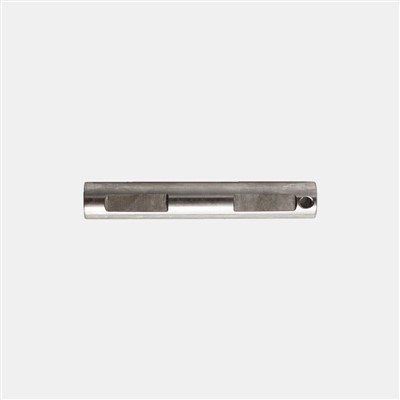
As a supplier of precision machined parts, we understand the importance of meeting the strict shear strength requirements of our customers. Our team of experienced engineers and technicians is well – versed in material science, part design, and manufacturing processes. We use state – of – the – art equipment and advanced testing techniques to ensure that every part we produce meets or exceeds the required shear strength standards. Whether it’s a complex aerospace component or a simple electronic connector, we are committed to providing high – quality precision machined parts that are reliable and durable.
Precision Machined Parts If you are in need of precision machined parts with specific shear strength requirements, we invite you to engage in a procurement discussion with us. Our knowledgeable sales team is ready to work with you to understand your needs, offer technical solutions, and provide competitive pricing. Let us be your trusted partner in delivering precision machined parts that meet the highest quality standards.
References
- Callister, W. D., & Rethwisch, D. G. (2018). Materials Science and Engineering: An Introduction. Wiley.
- Dieter, G. E. (1988). Mechanical Metallurgy. McGraw – Hill.
- Kovacevic, R., & Hu, S. J. (2005). Machining and Machine Tools. Marcel Dekker.
Taizhou Liuhuan Machinery Co., Ltd.
As one of the most professional precision machined parts manufacturers and suppliers in China, we’re featured by quality products and good service. Please rest assured to buy customized precision machined parts made in China here from our factory. For quotation, contact us now.
Address: Xinyuan Industrial Zone, Damaiyu Street, Yuhuan City, Zhejiang Province,China
E-mail: tzlhmachining@gmail.com
WebSite: https://www.tzlhmachining.com/
